
AI Headshots vs. Traditional Headshots: Which Is Better for Your Brand?
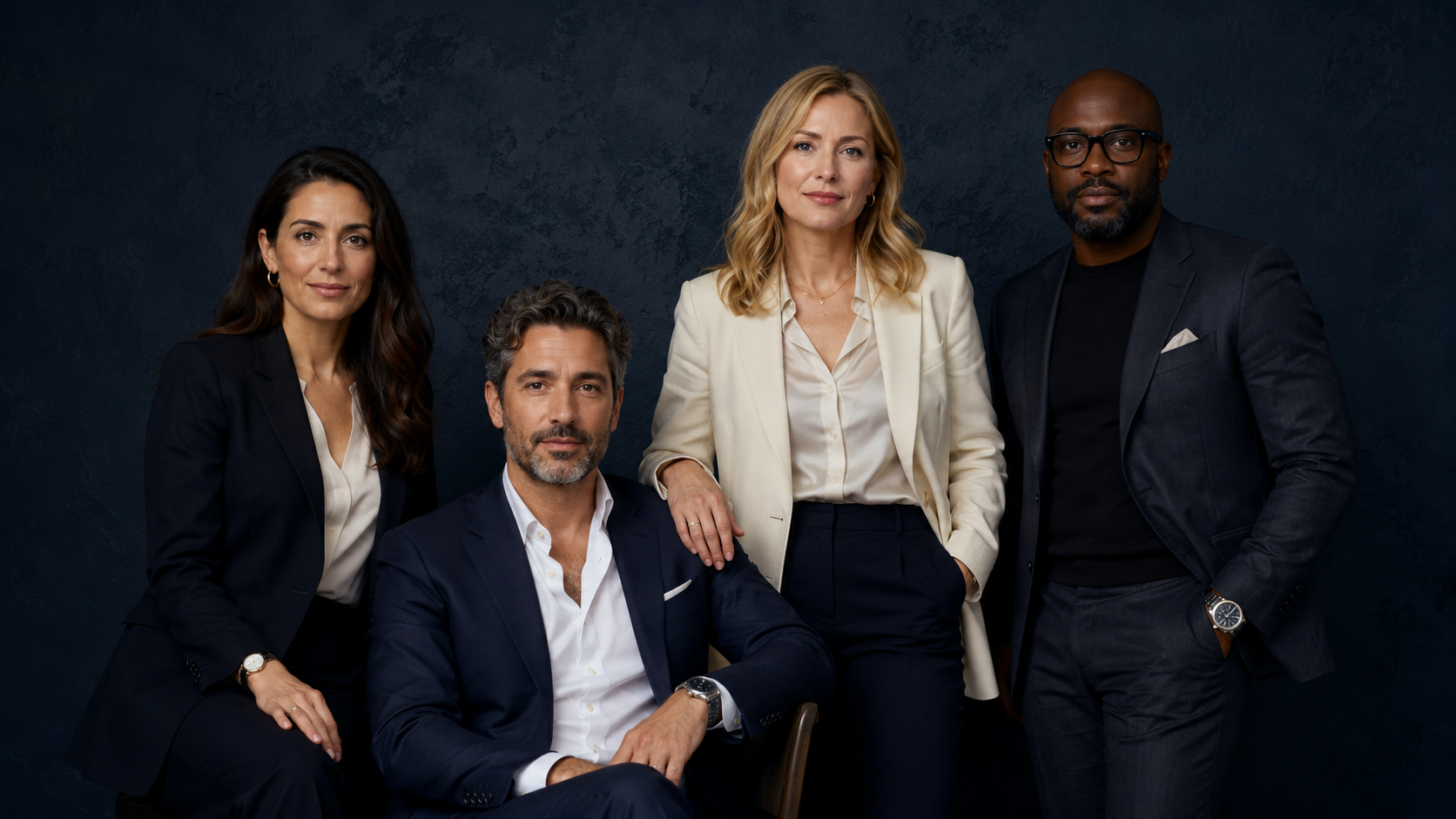
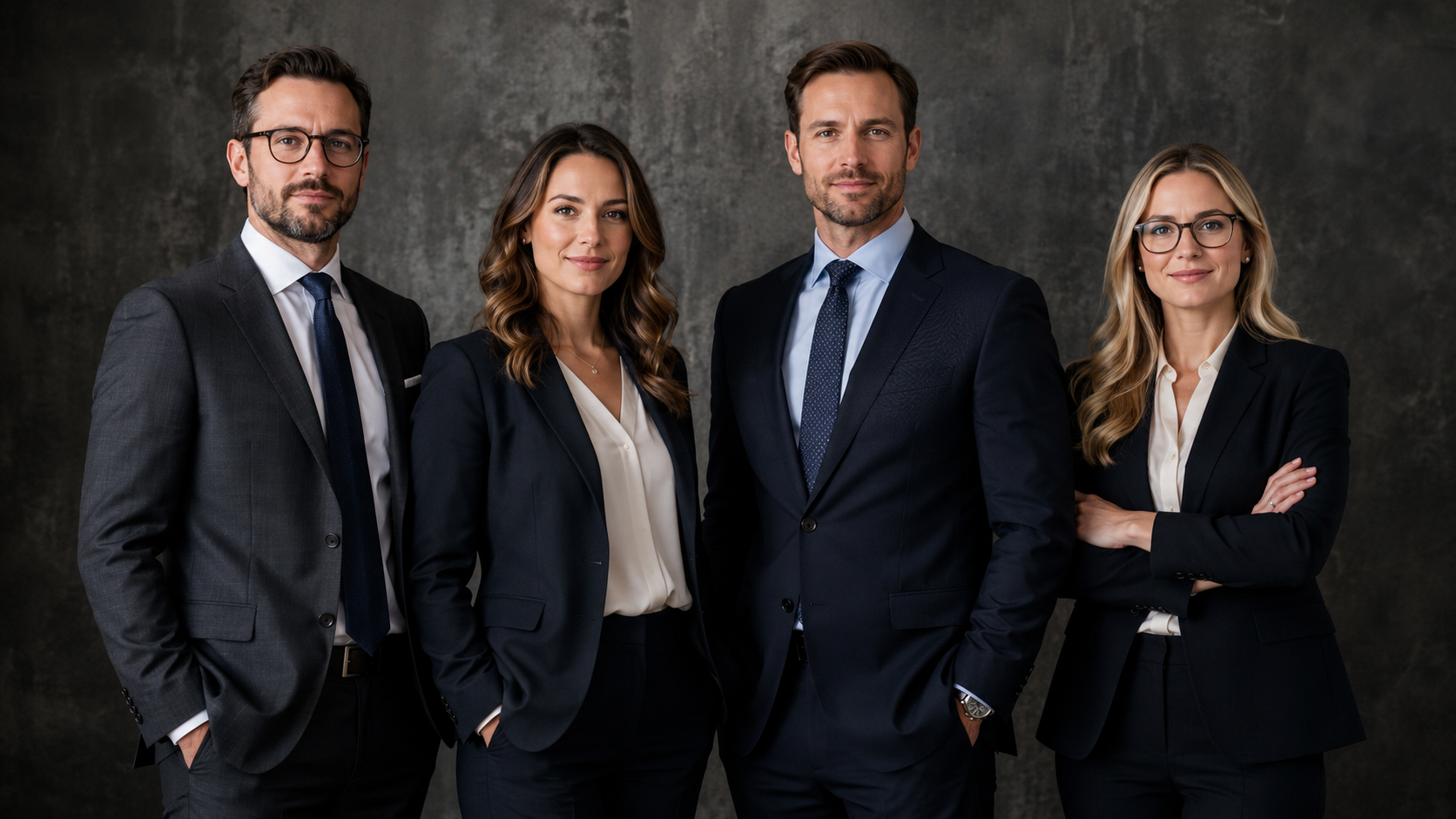
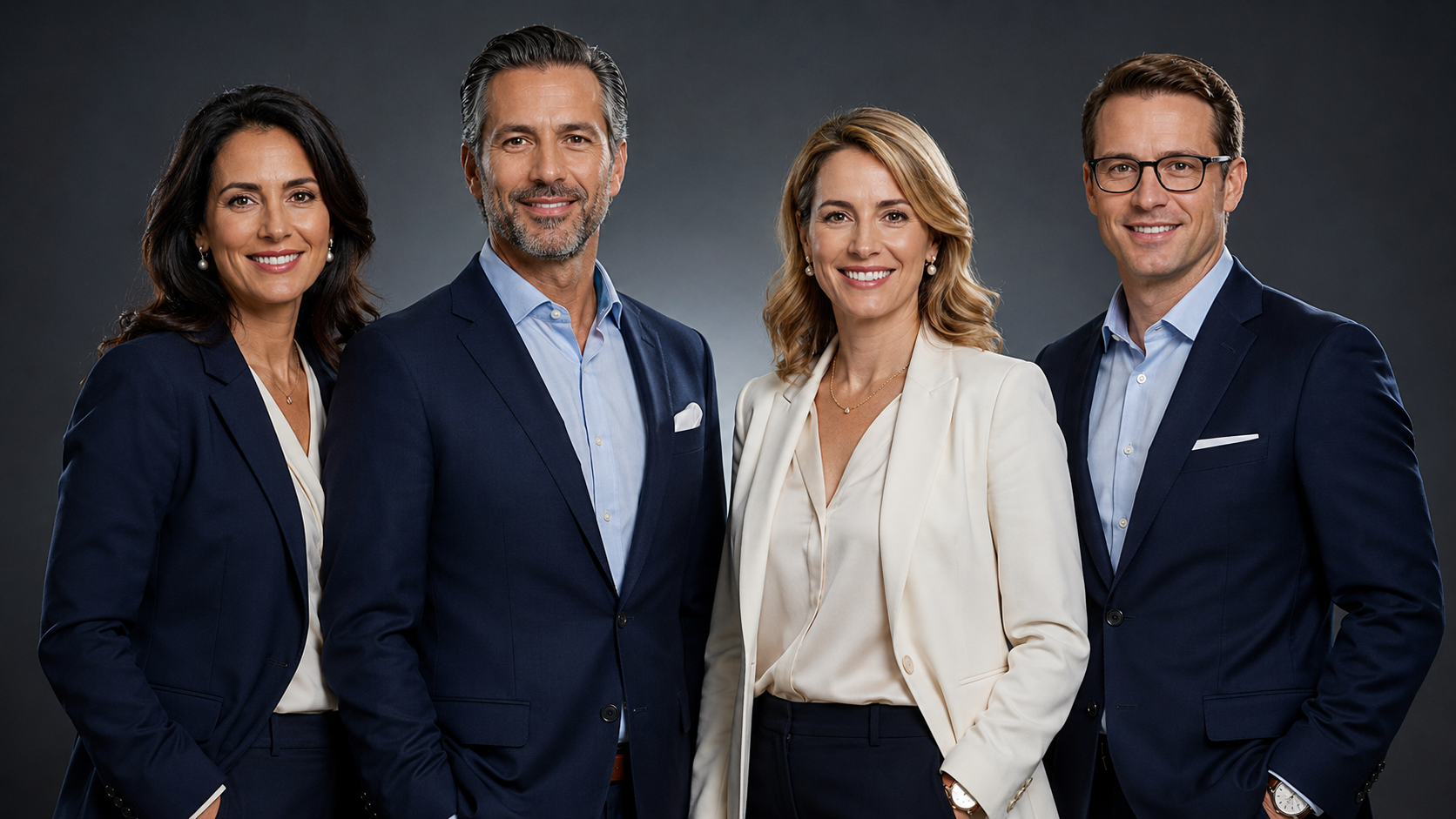
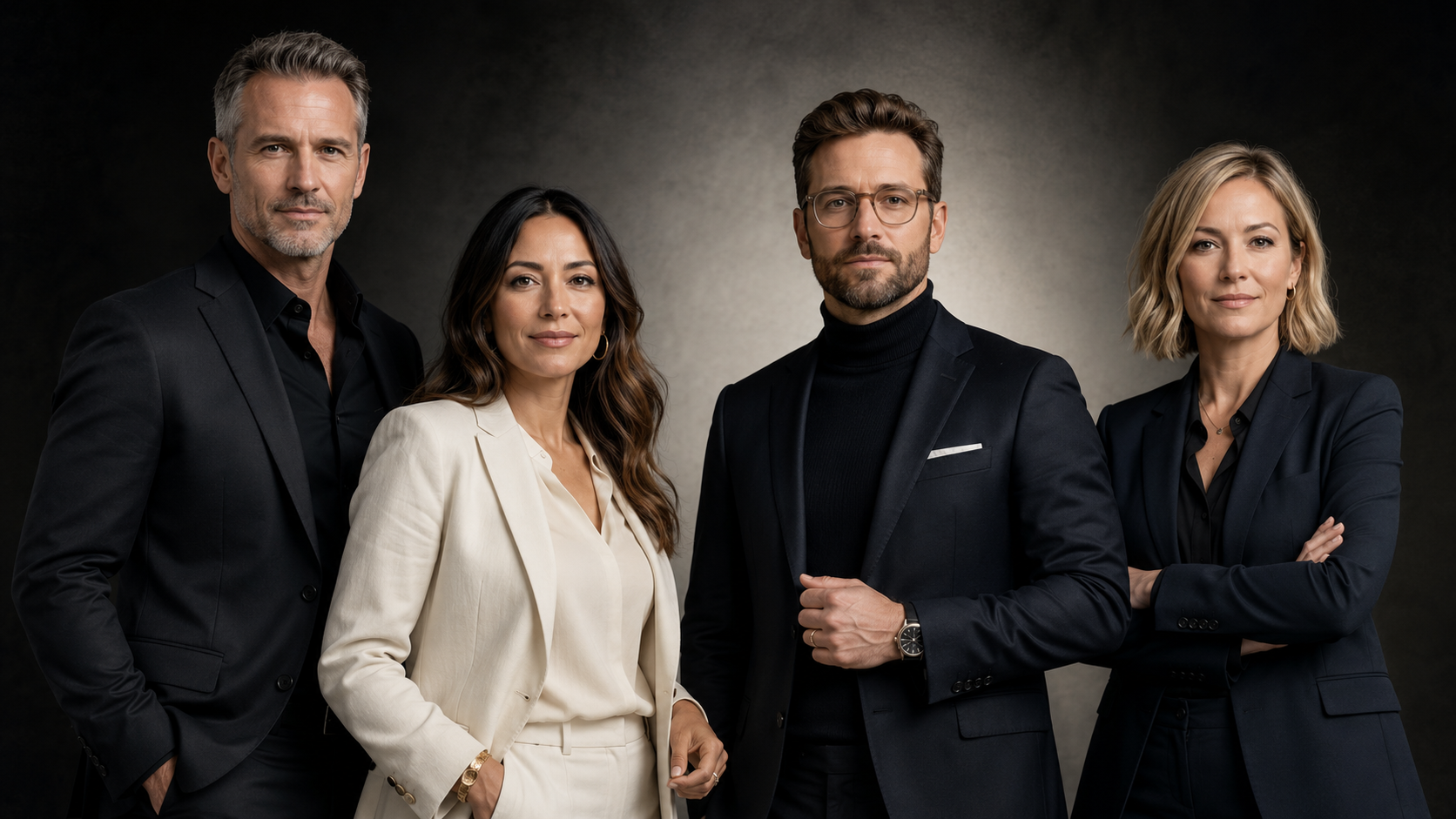
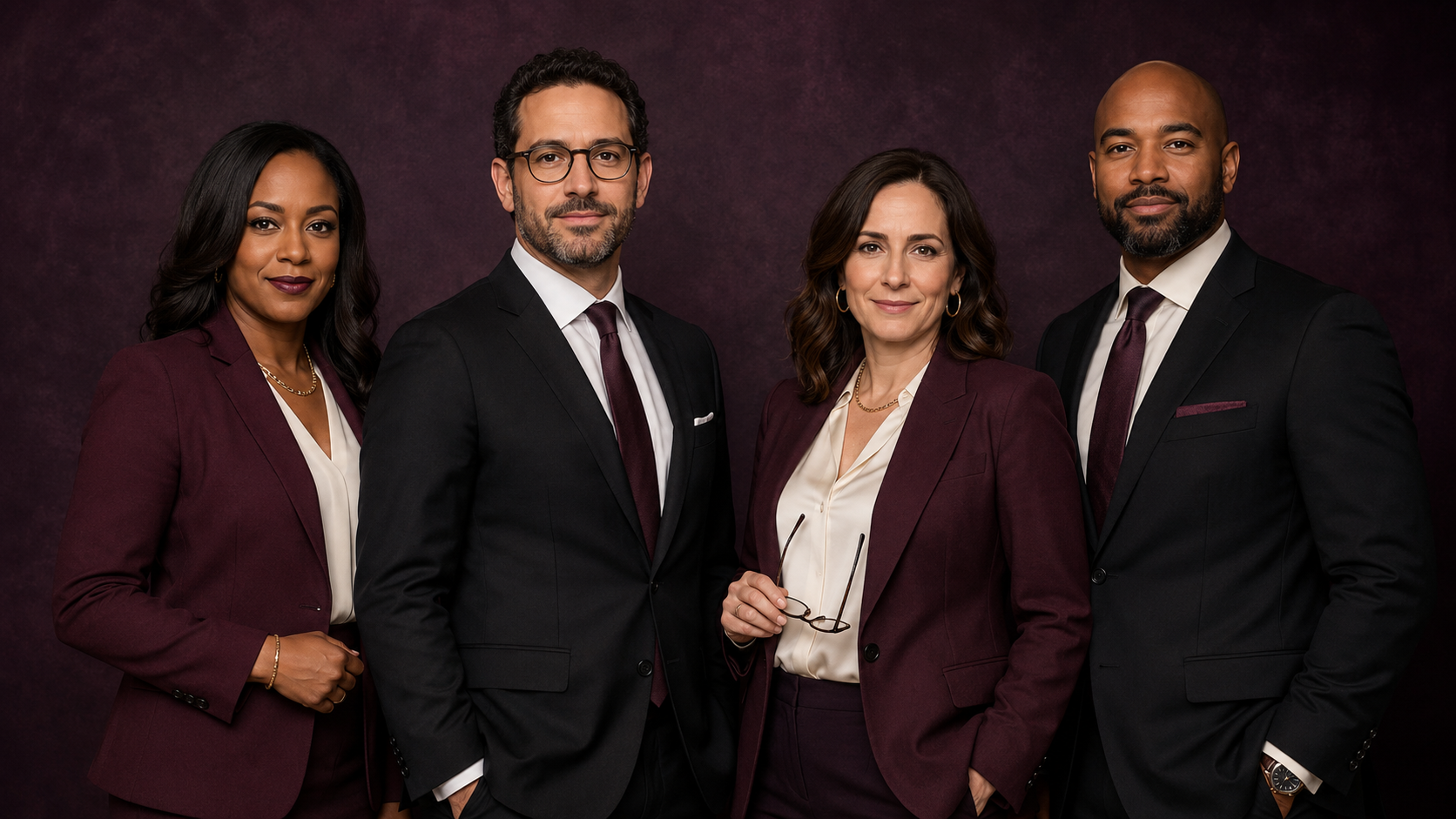
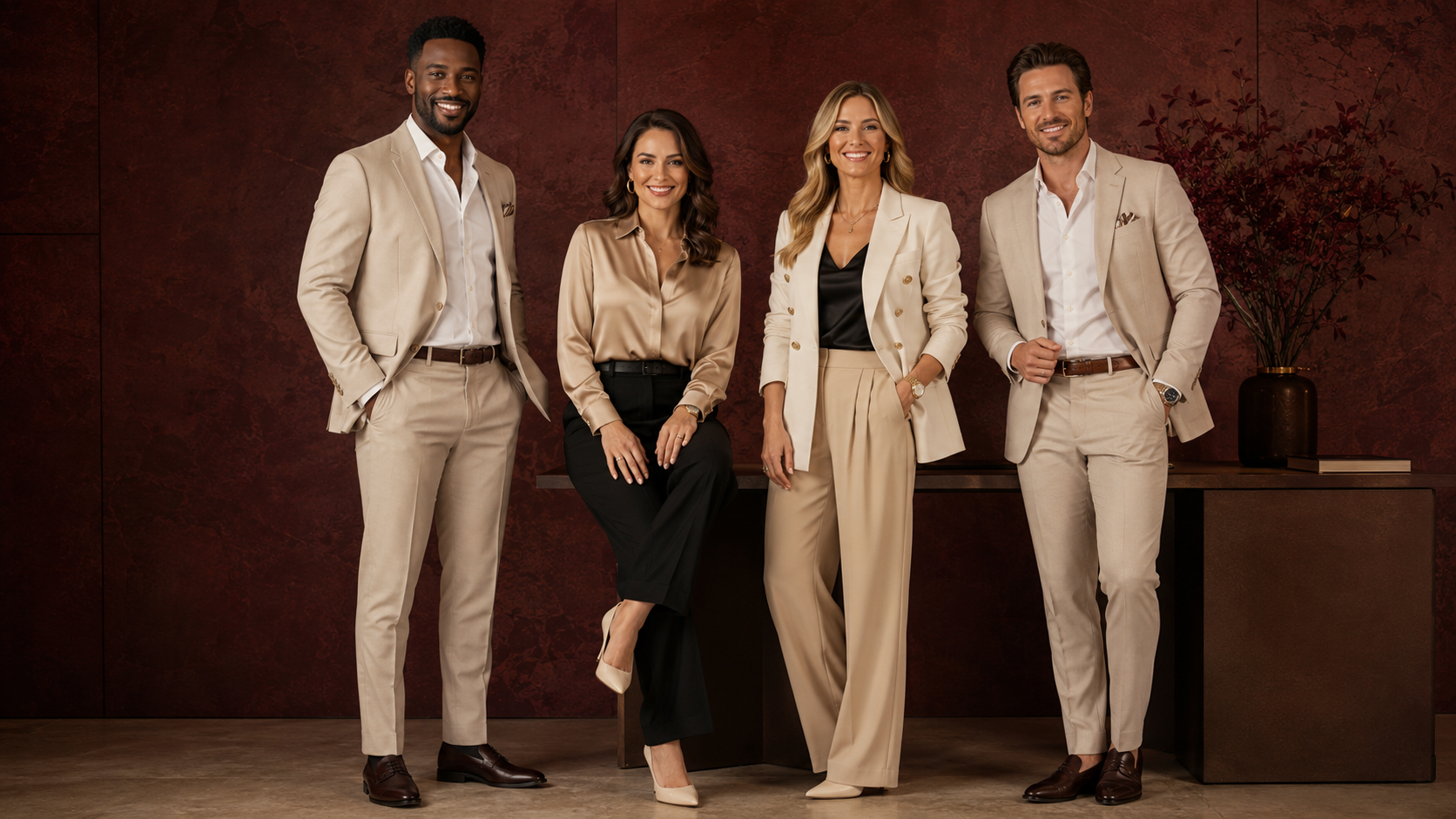
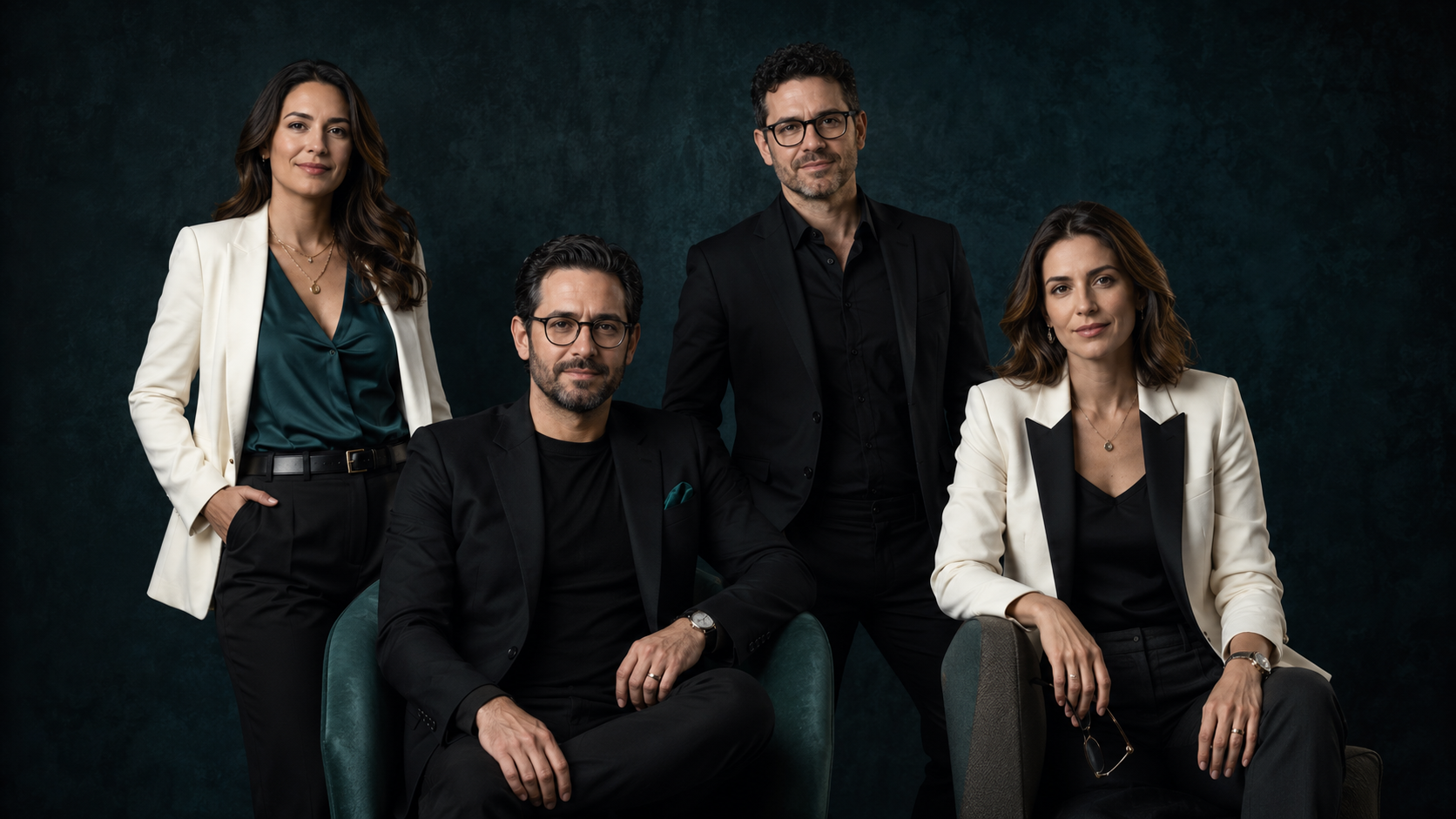
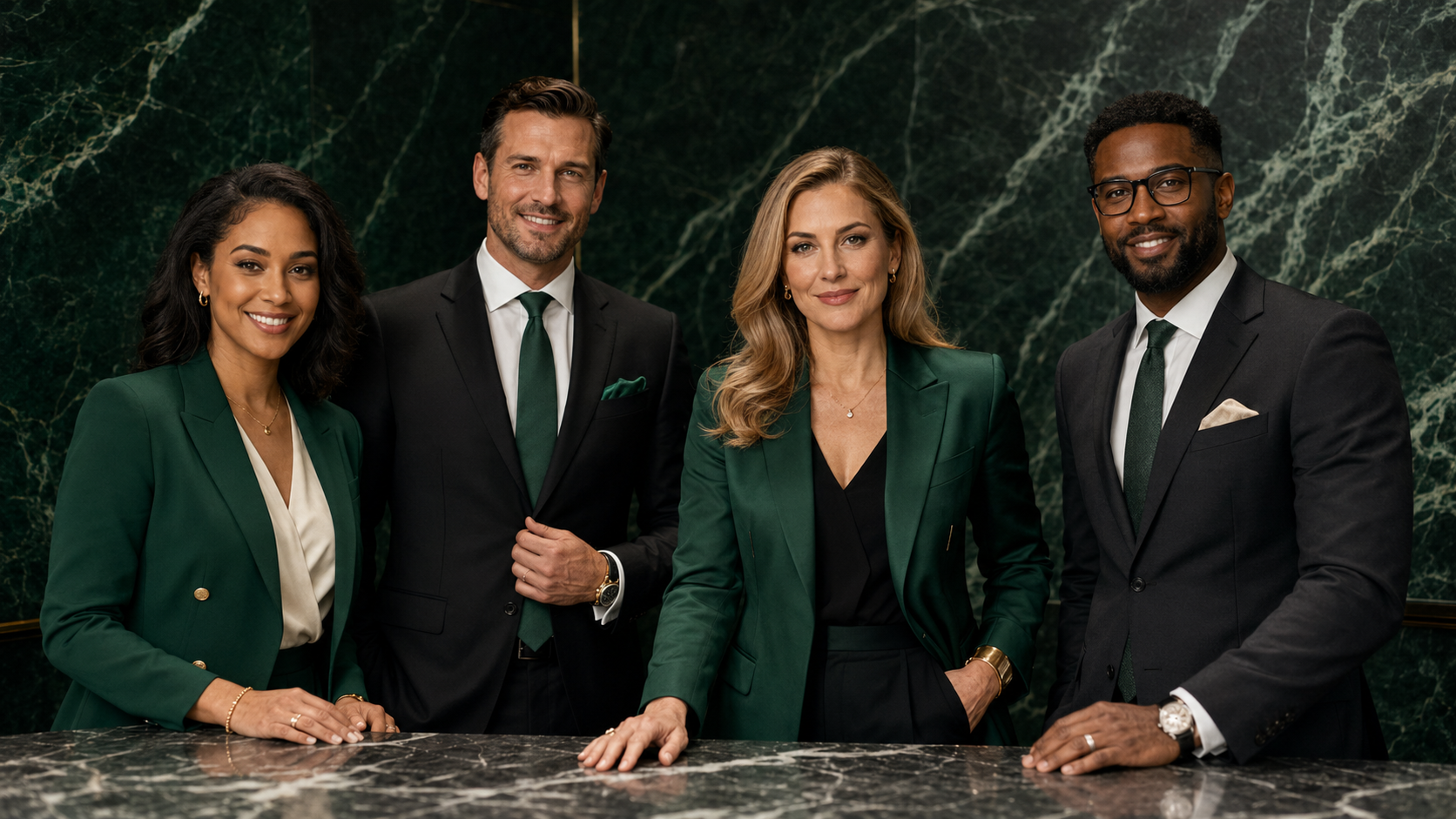
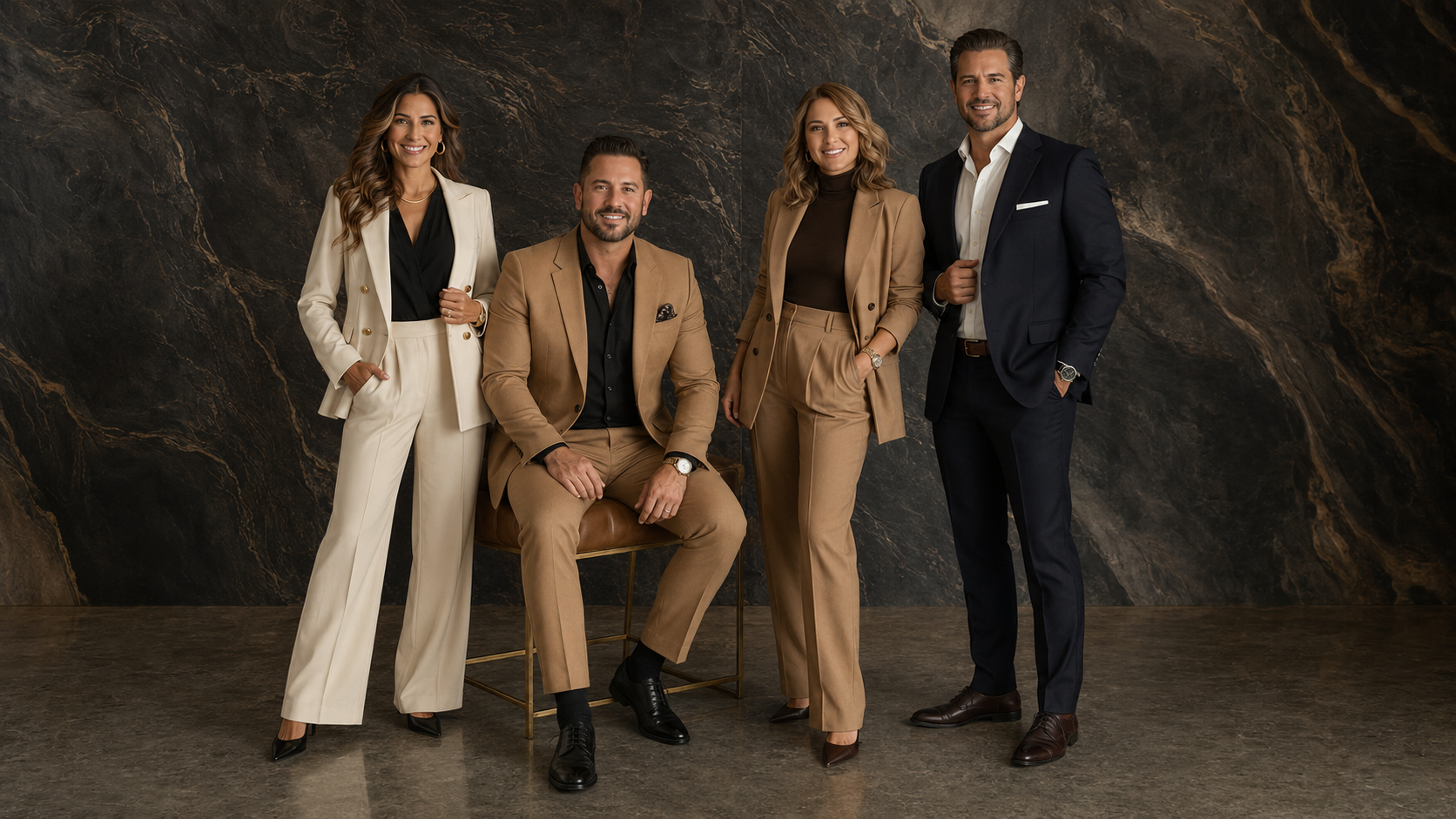
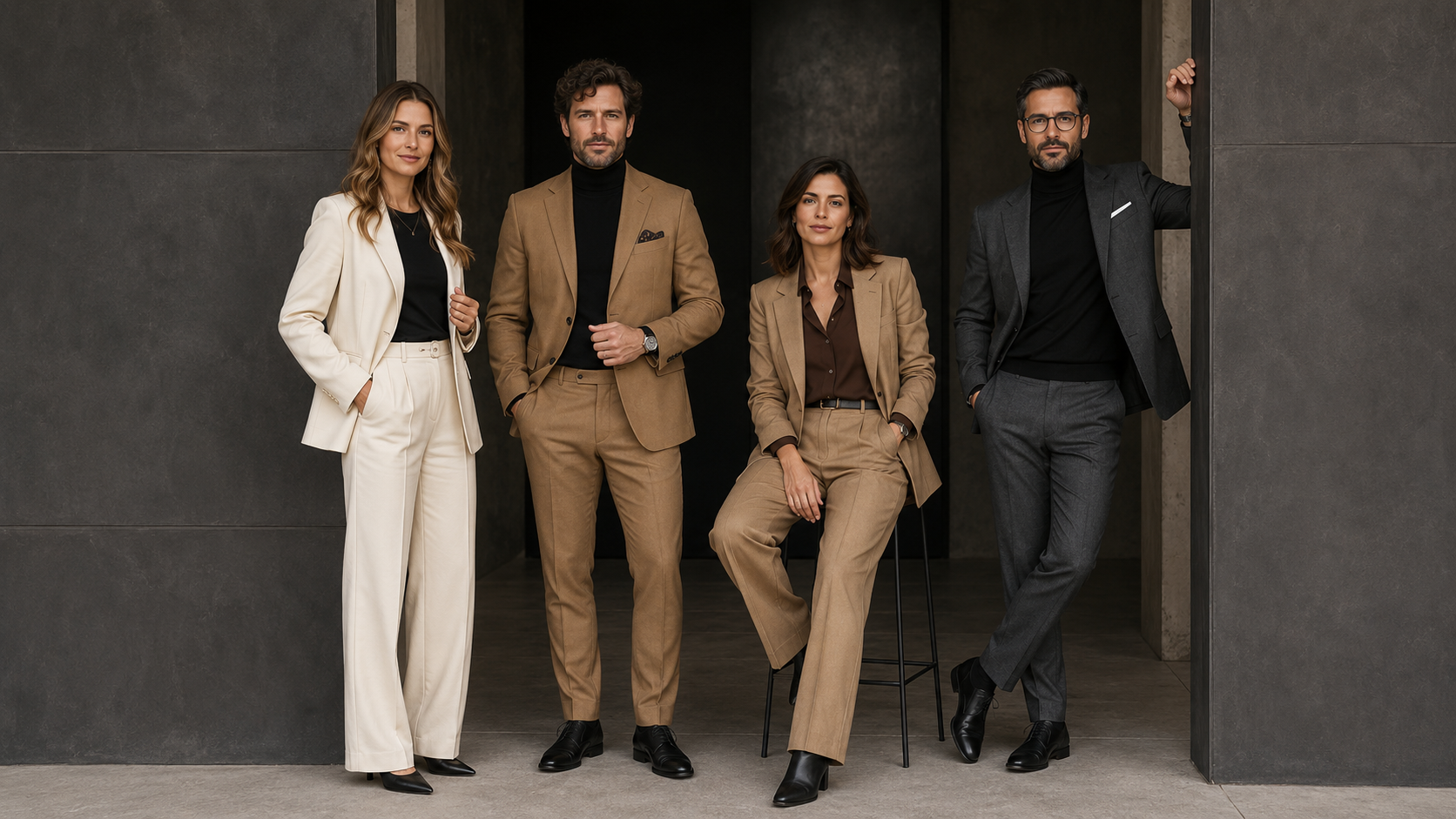
AI headshots and traditional headshots can both produce polished professional images.
The better option depends on what the image needs to do.
AI headshots are useful when you need remote access, consistent team images, several professional styles, or a faster path to a broader brand image library.
Traditional photography is stronger when you need a real location, exact documentary capture, in-person posing direction, physical interaction, or images showing an actual workplace, property, product, or event.
One option is not replacing the other.
They serve different jobs.
The smartest question is not, “Which type of headshot is better?”
Ask:
What do I need these images to accomplish, and which process gives me the strongest result for that use case?
Quick Answer: AI Headshots vs. Traditional Headshots
Choose AI headshots when you need:
Professional photos created remotely
Consistent images for a distributed team
Multiple wardrobe or background directions
LinkedIn, website, speaker, and brand image options
A faster professional profile refresh
Less scheduling and travel
A scalable system for adding new team members
Choose traditional headshots when you need:
A photograph of exactly how you appeared during the session
In-person posing and expression coaching
Real workplace or environmental photography
Team culture images
Physical product or property photography
Editorial or advertising production
Images involving real interactions between people
A hybrid approach can also work. You may use AI headshots for professional profiles and traditional photography for real environments, events, products, and team culture.
What Are AI Headshots?
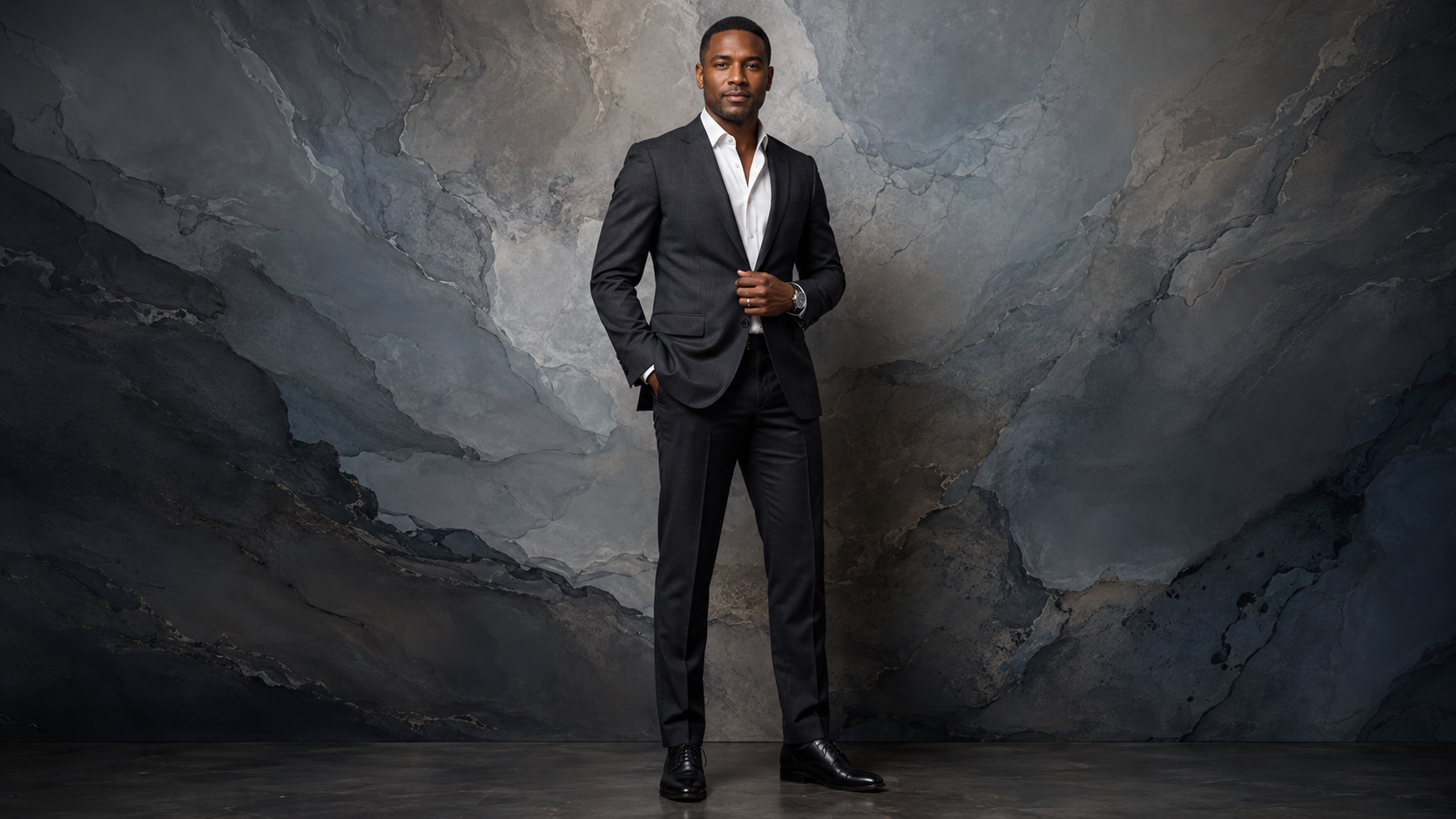
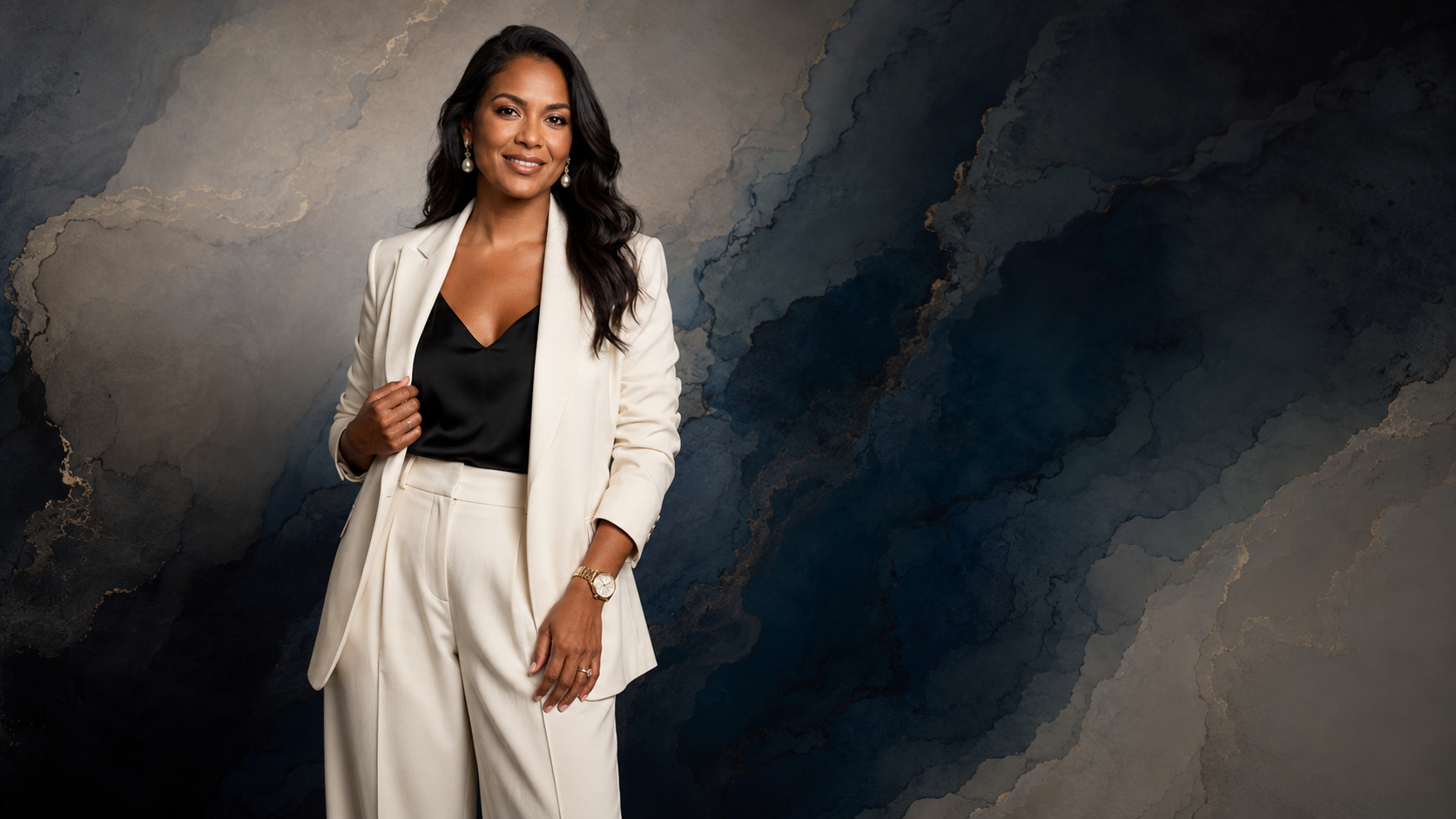
AI headshots are professional portraits created with artificial intelligence using source photographs of the person.
A strong AI headshot process includes more than uploading selfies and pressing a button.
It may involve:
Source-photo preparation
Professional style selection
Wardrobe and background direction
AI-assisted image creation
Identity and realism review
Human curation
Platform-ready crops and delivery
The final image may place the person in wardrobe, lighting, or a background that was not present in the original source photos.
That flexibility is useful.
It also means the final images need careful review. AI can produce identity drift, strange clothing details, distorted glasses, unrealistic skin, or backgrounds that do not integrate correctly.
The tool generates possibilities.
Human judgment decides what is usable.
What Are Traditional Headshots?
Traditional headshots are photographs captured during an in-person session with a camera.
The photographer controls the real lighting, camera angle, lens, background, pose, expression, and timing of the image.
Depending on the session, traditional headshots may be created:
In a photography studio
At a workplace
Outdoors
At an event
Inside a rented location
In a client’s home or office
On location for an editorial campaign
The photographer can respond to the person in real time, adjust posture, fix wardrobe, move lighting, and capture subtle expressions as they happen.
The final image documents a real person in a real moment.
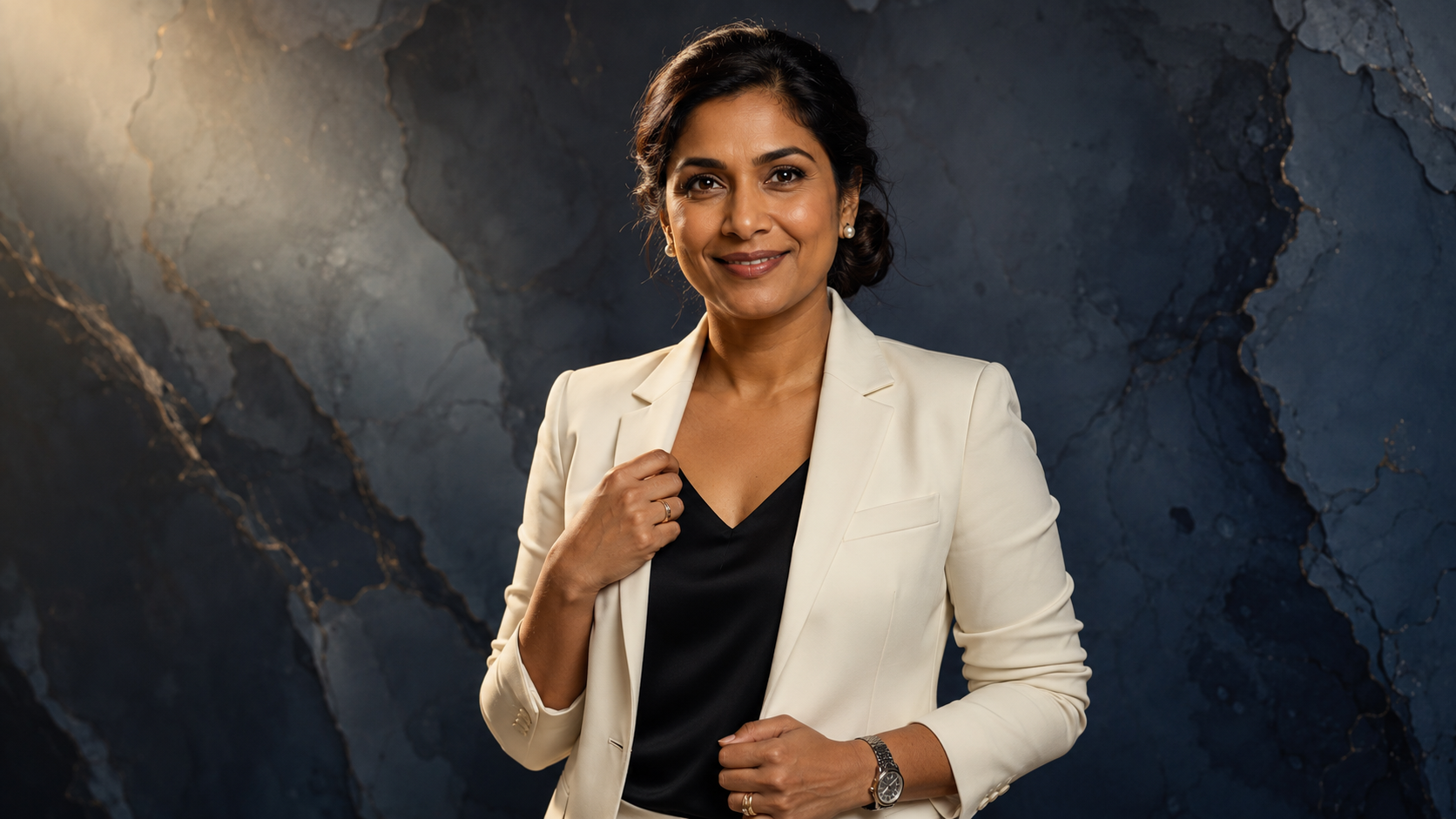
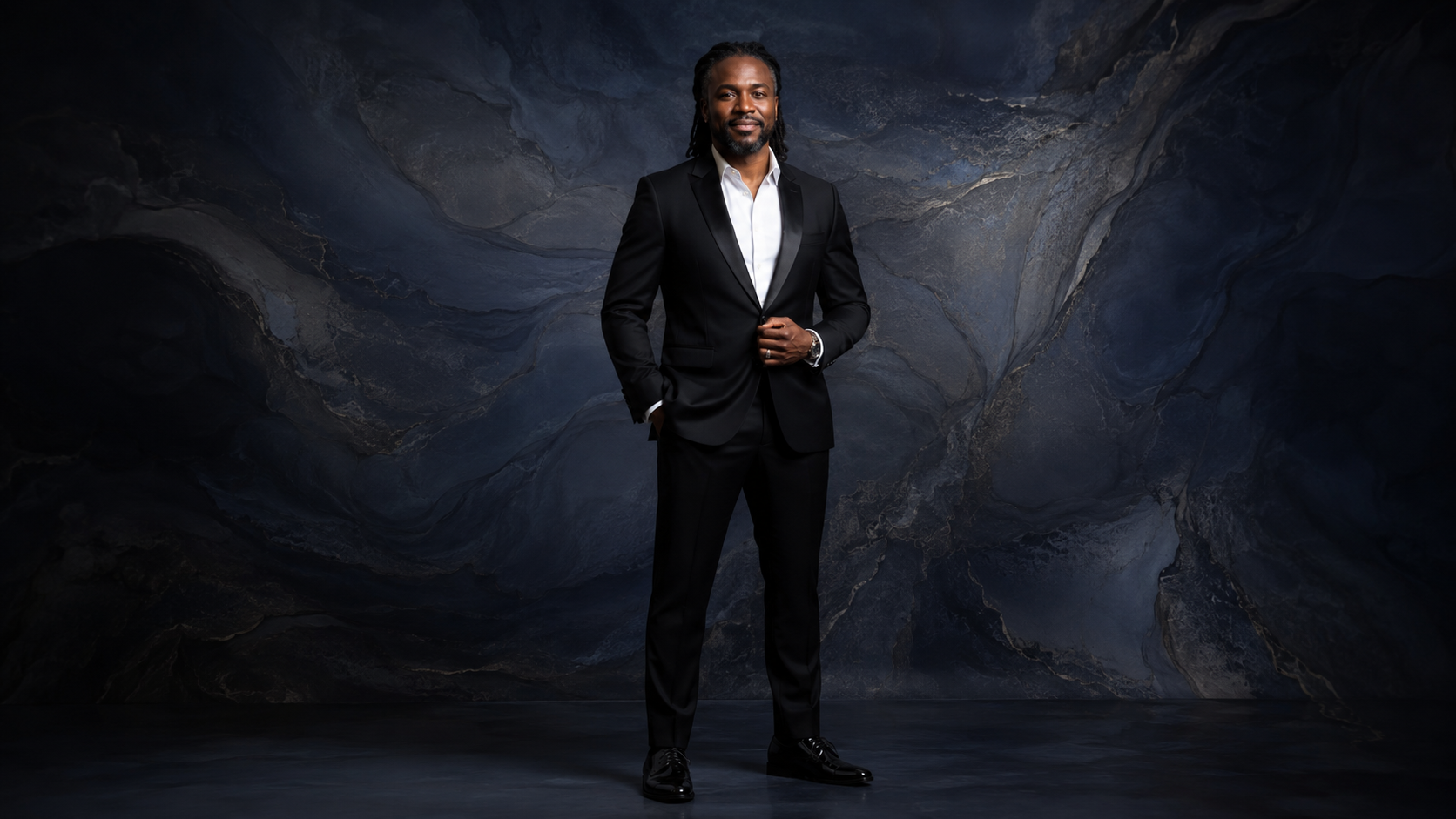
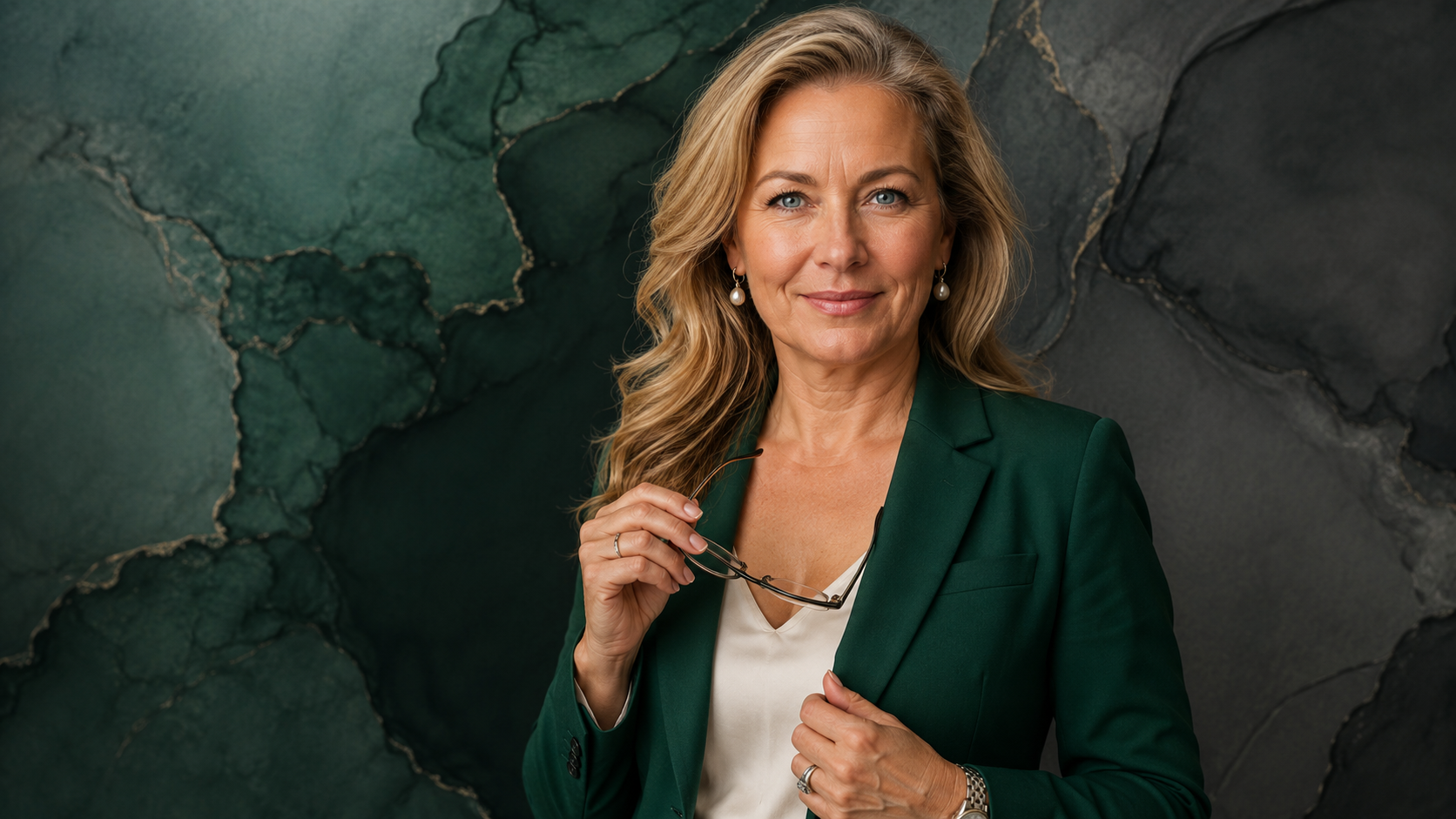
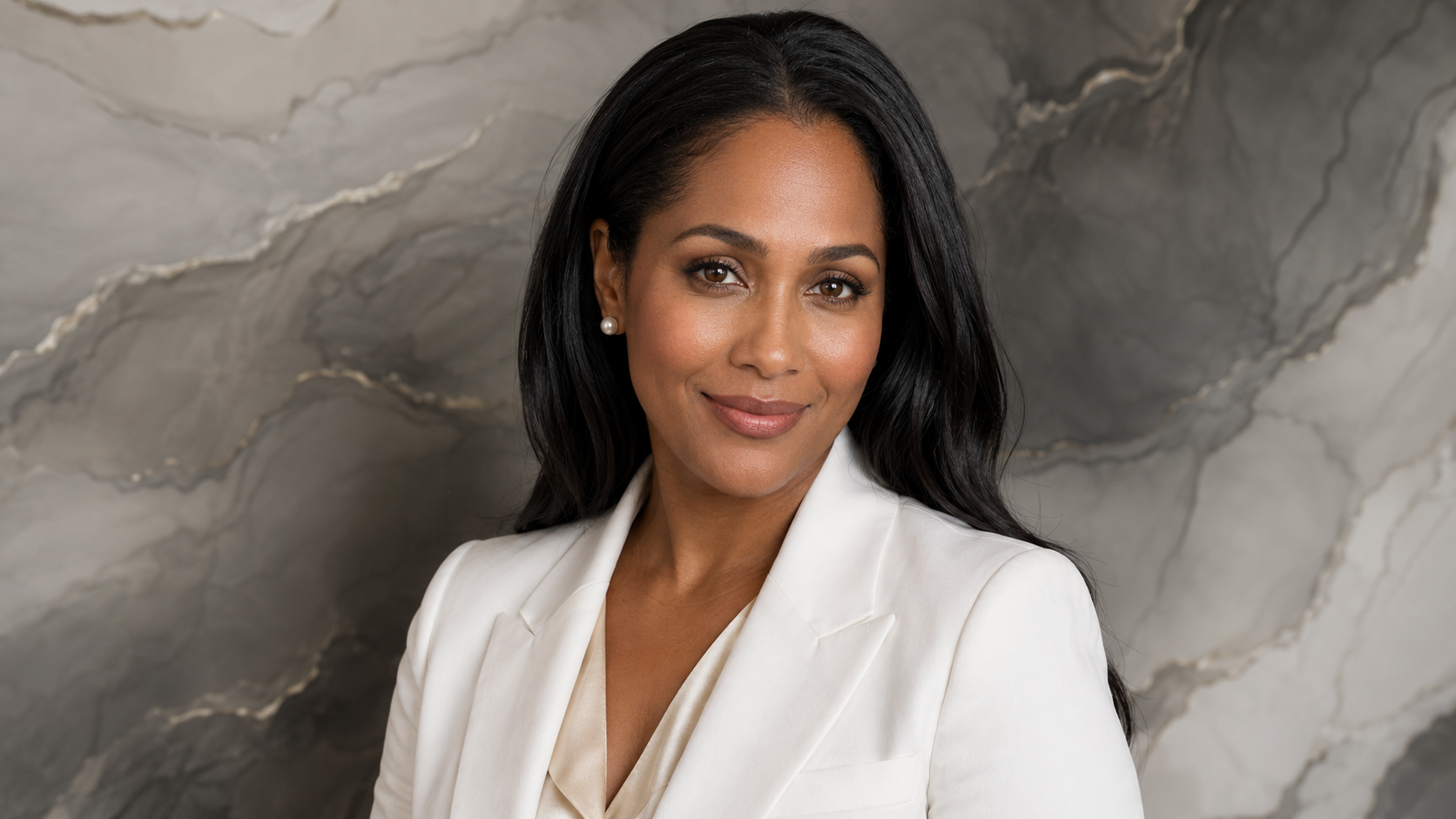
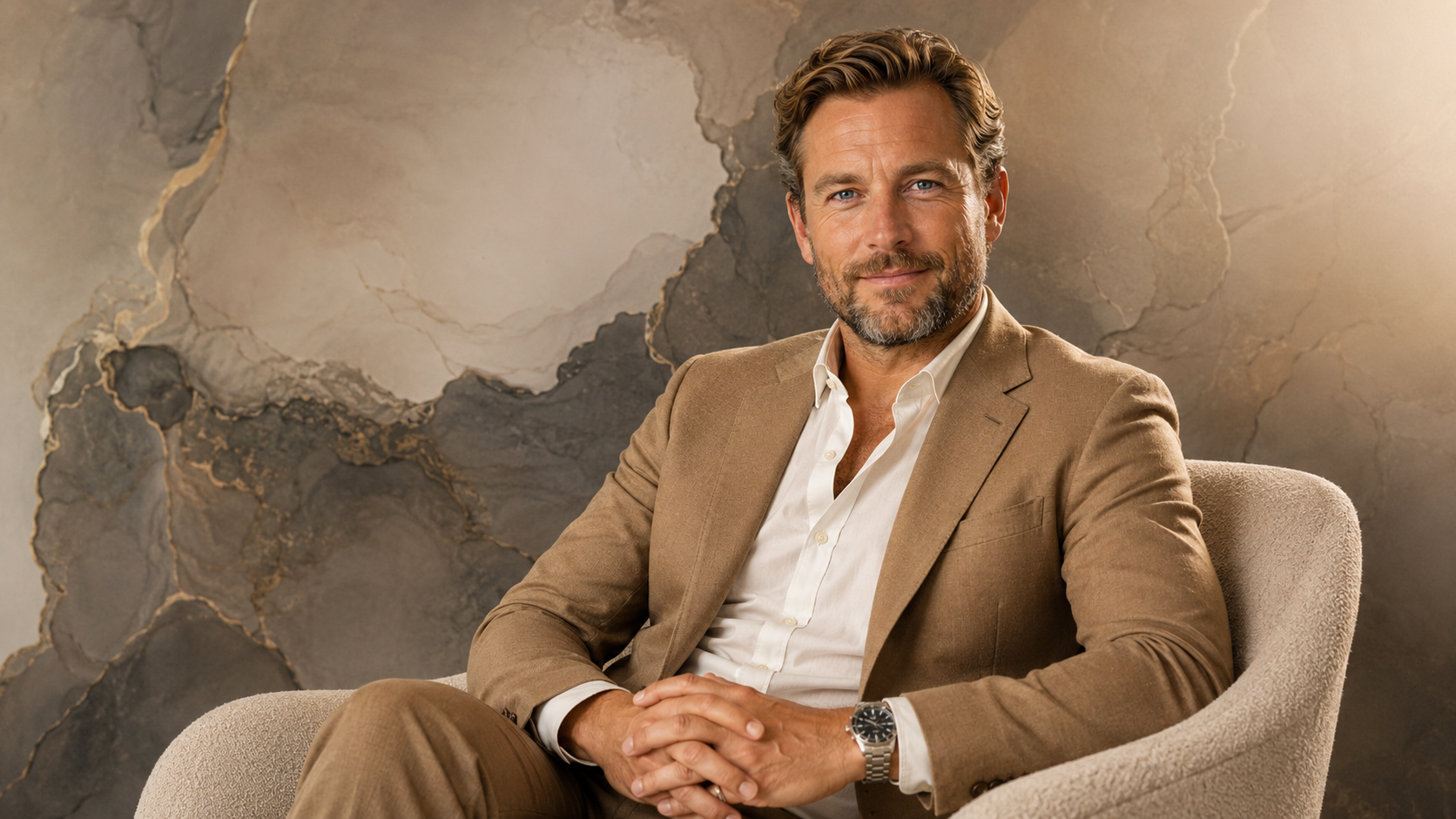
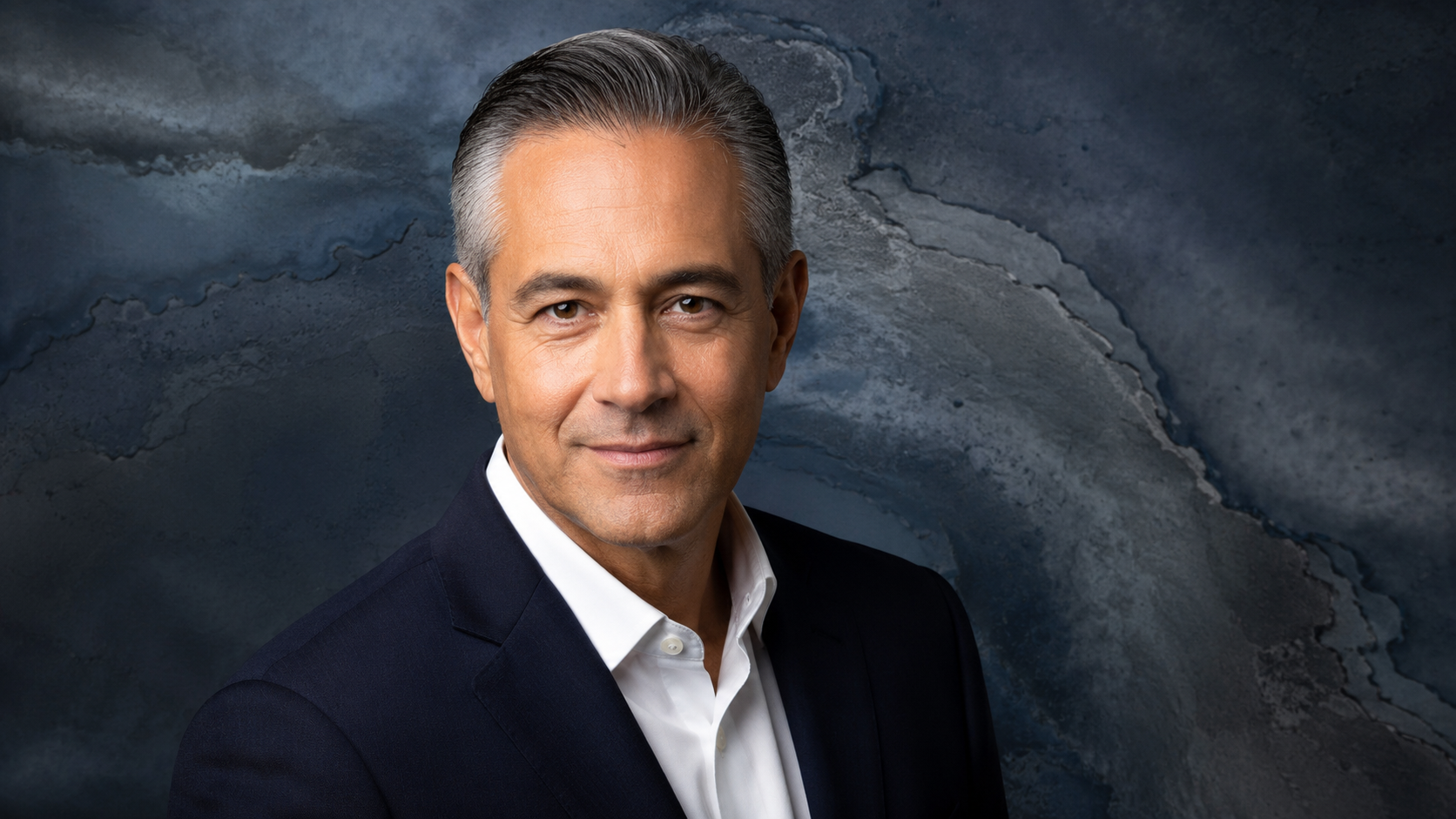
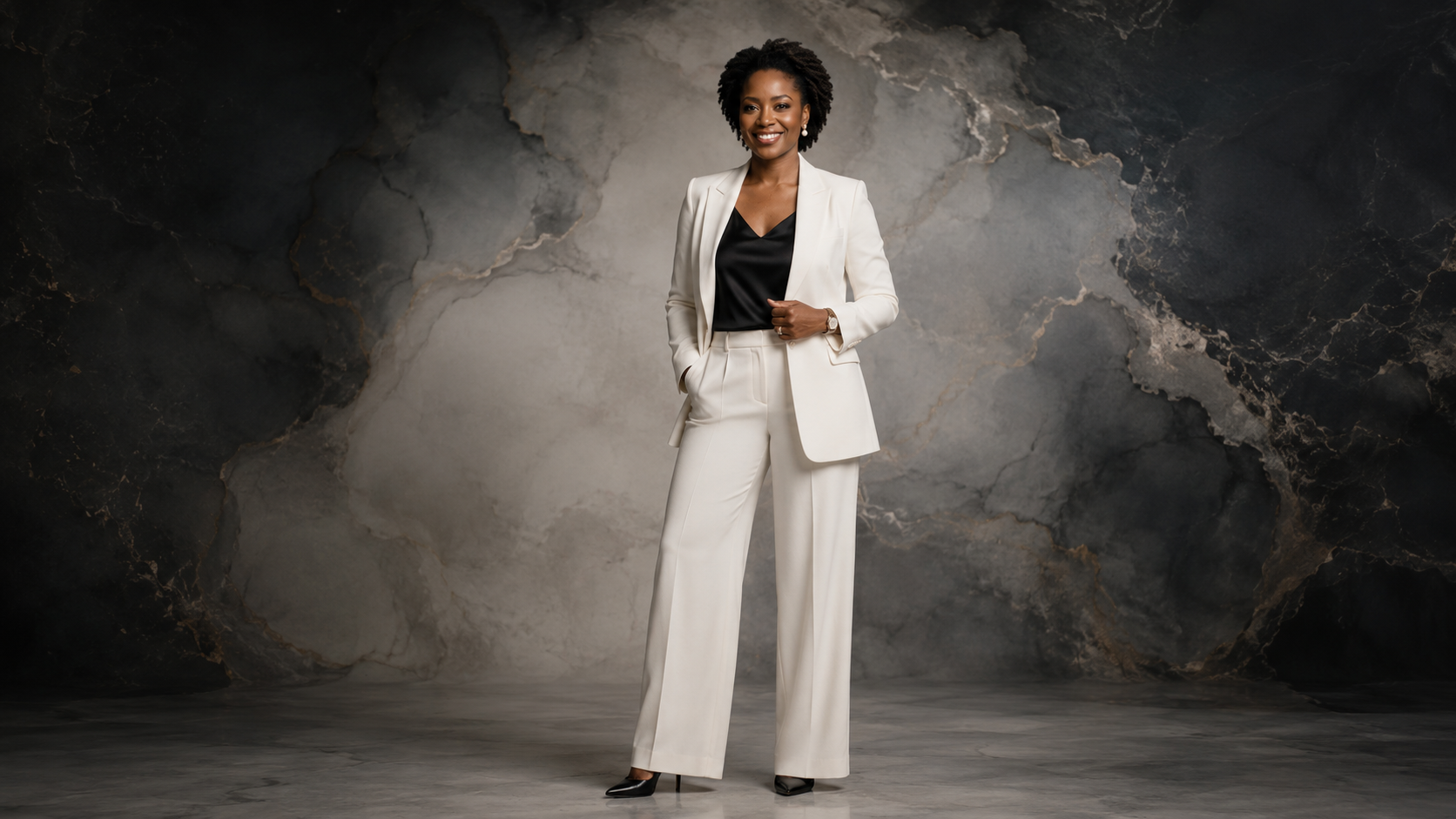
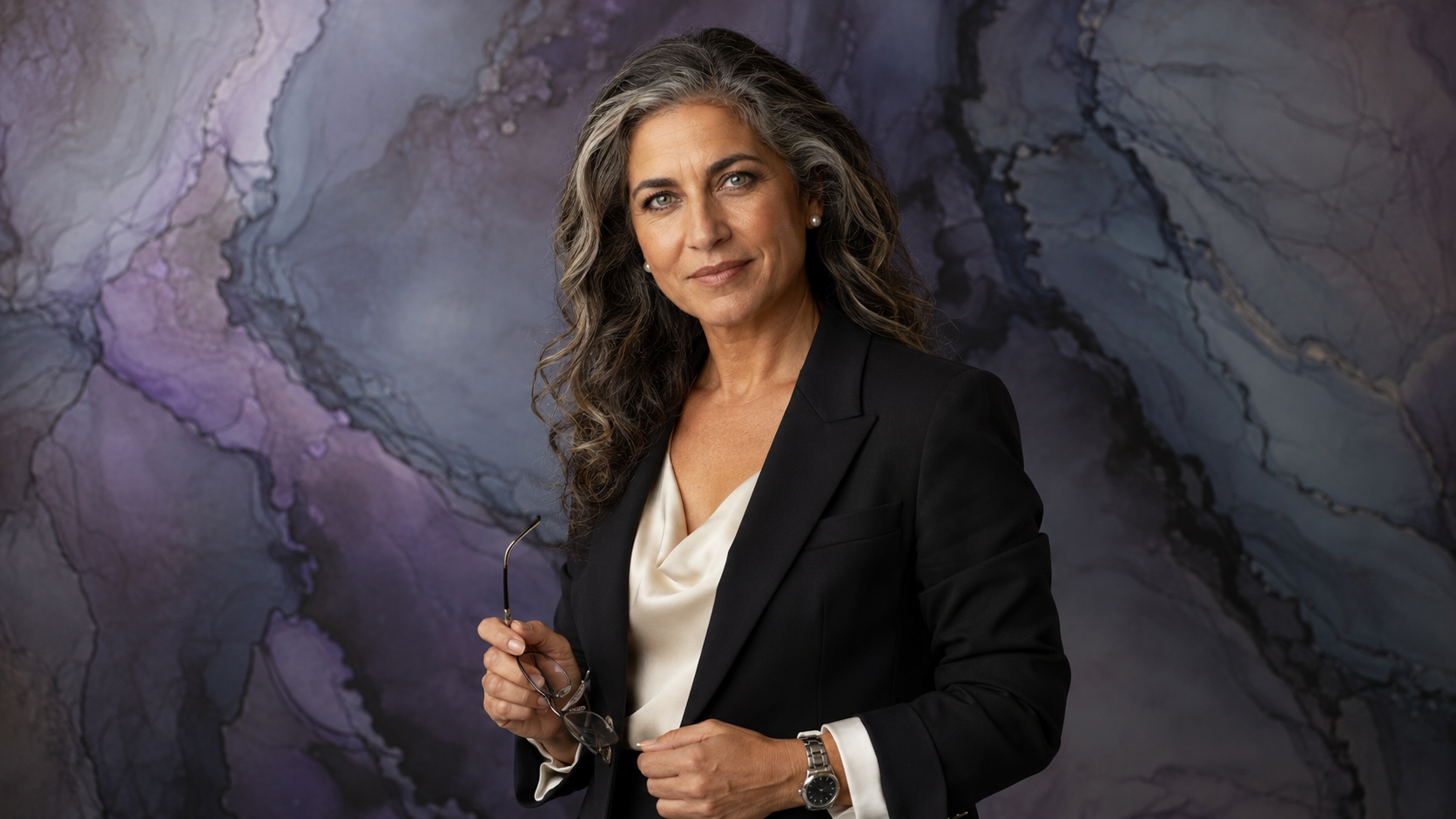
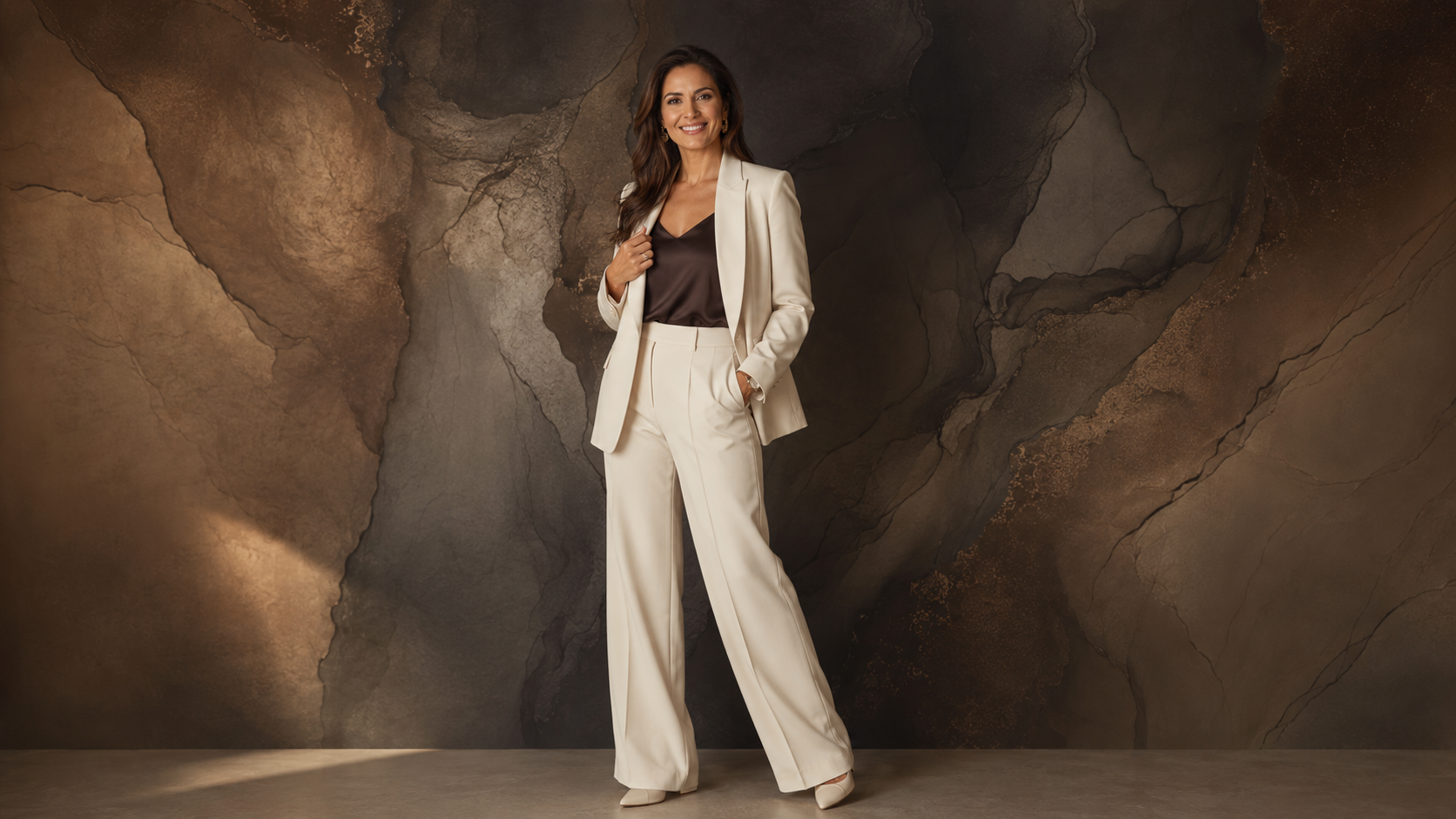
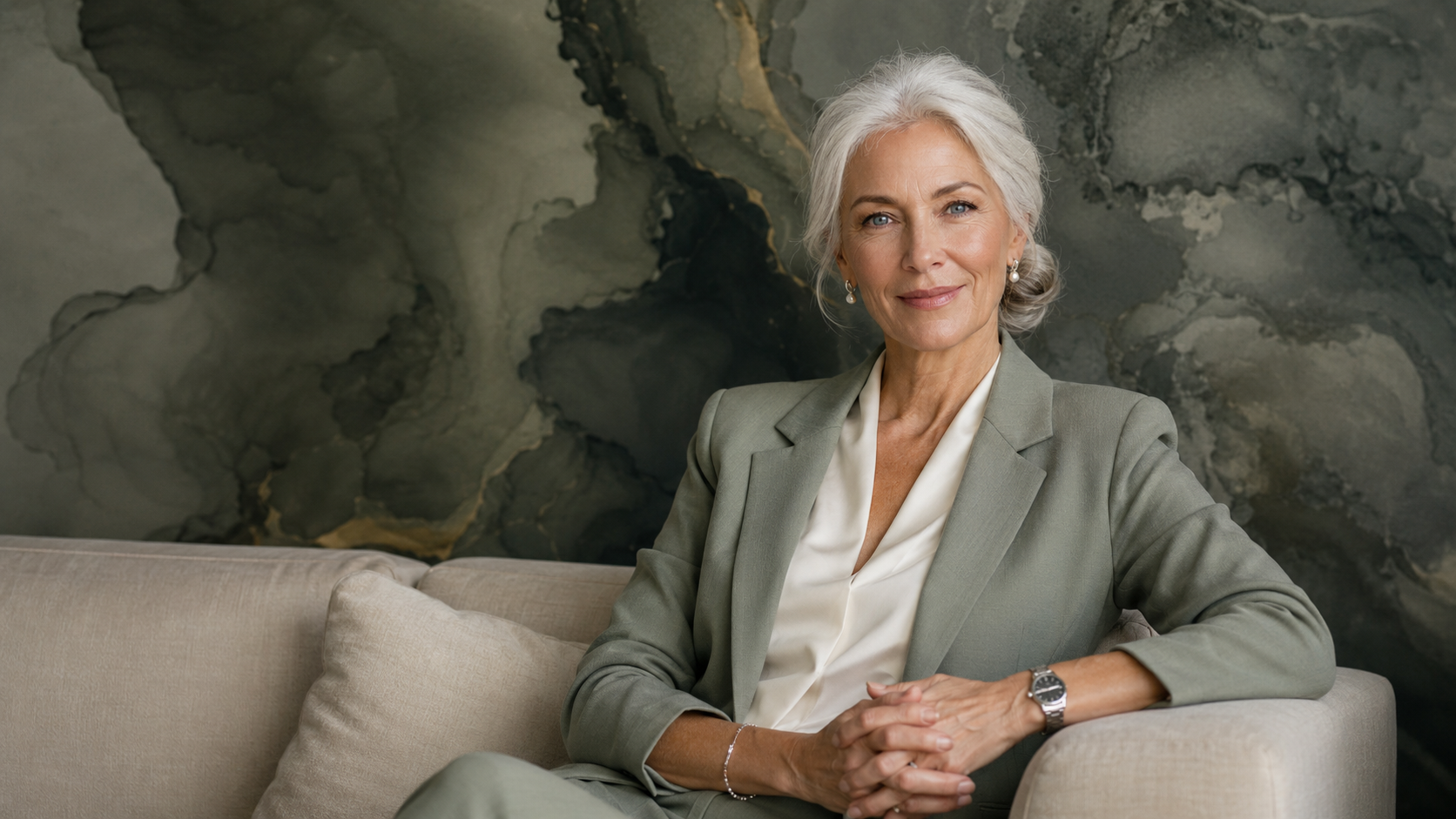
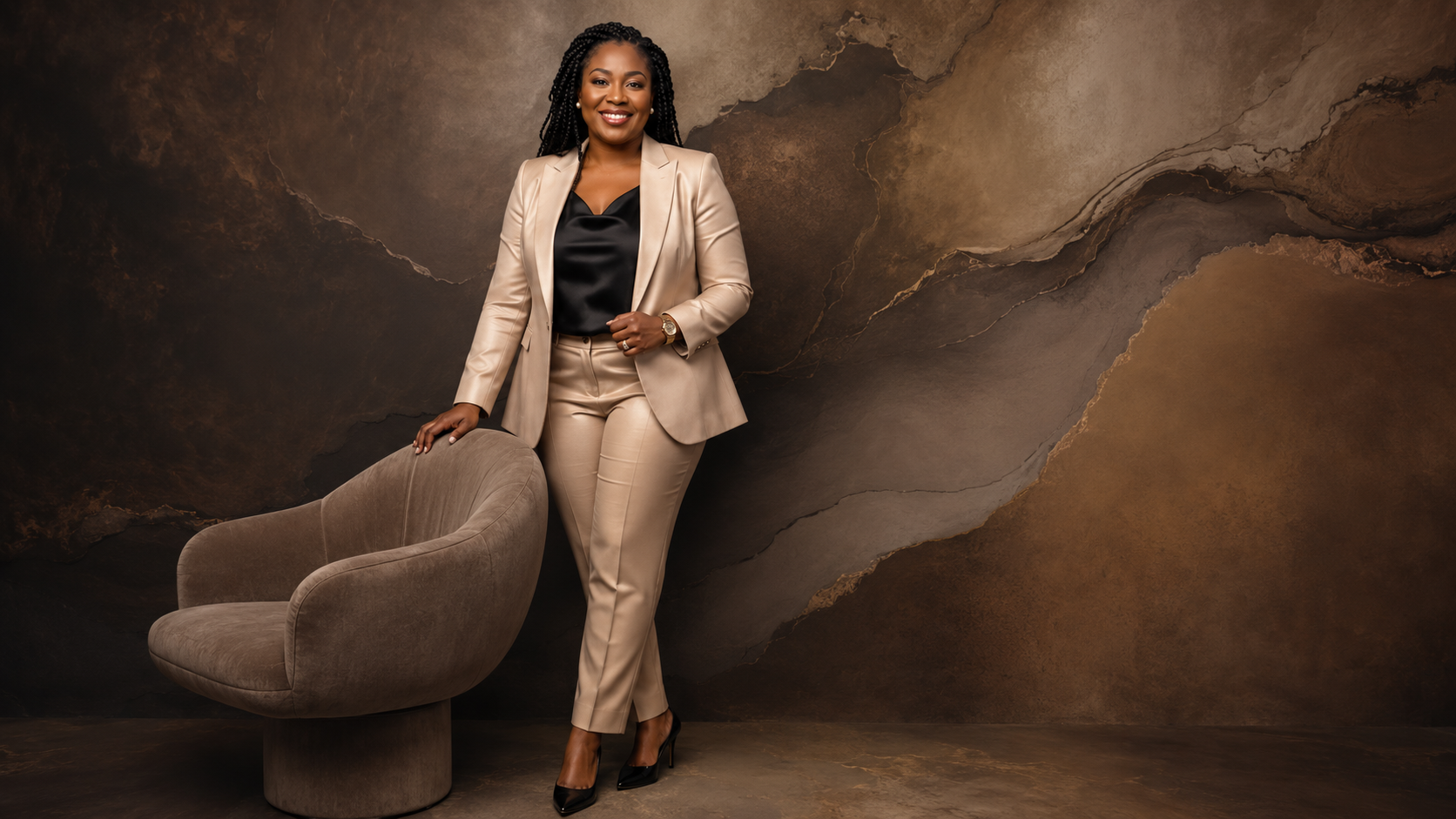
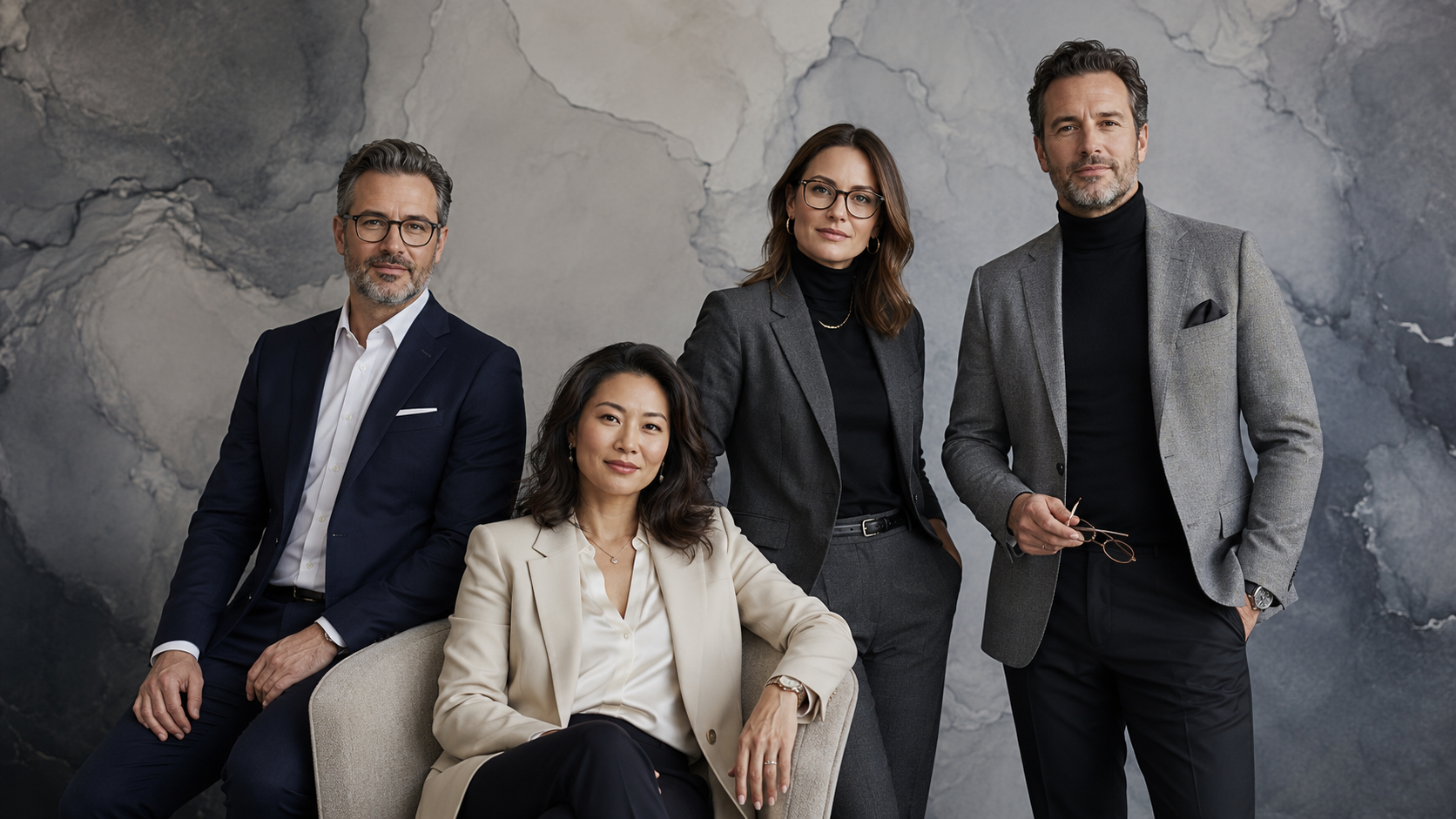
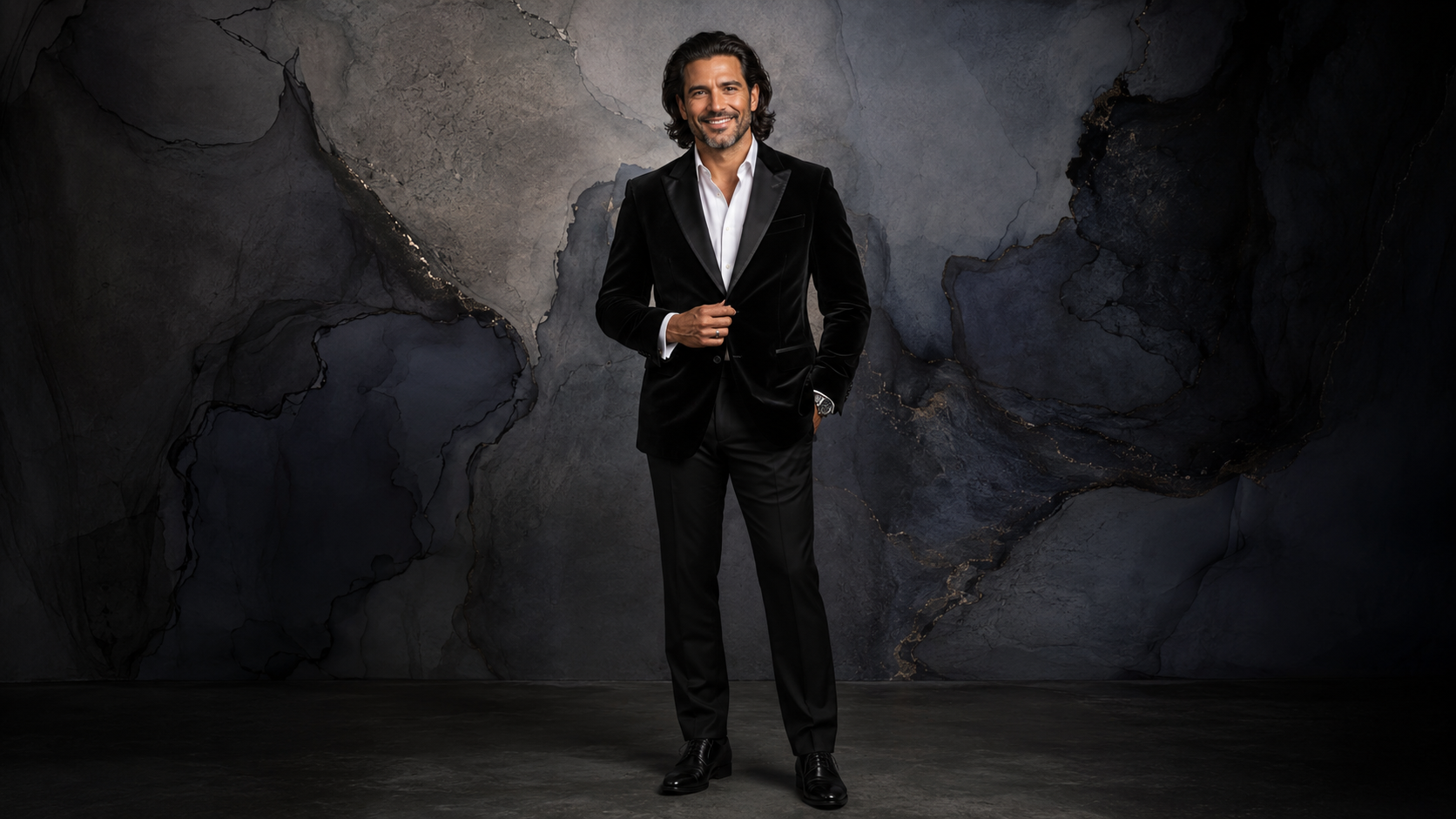
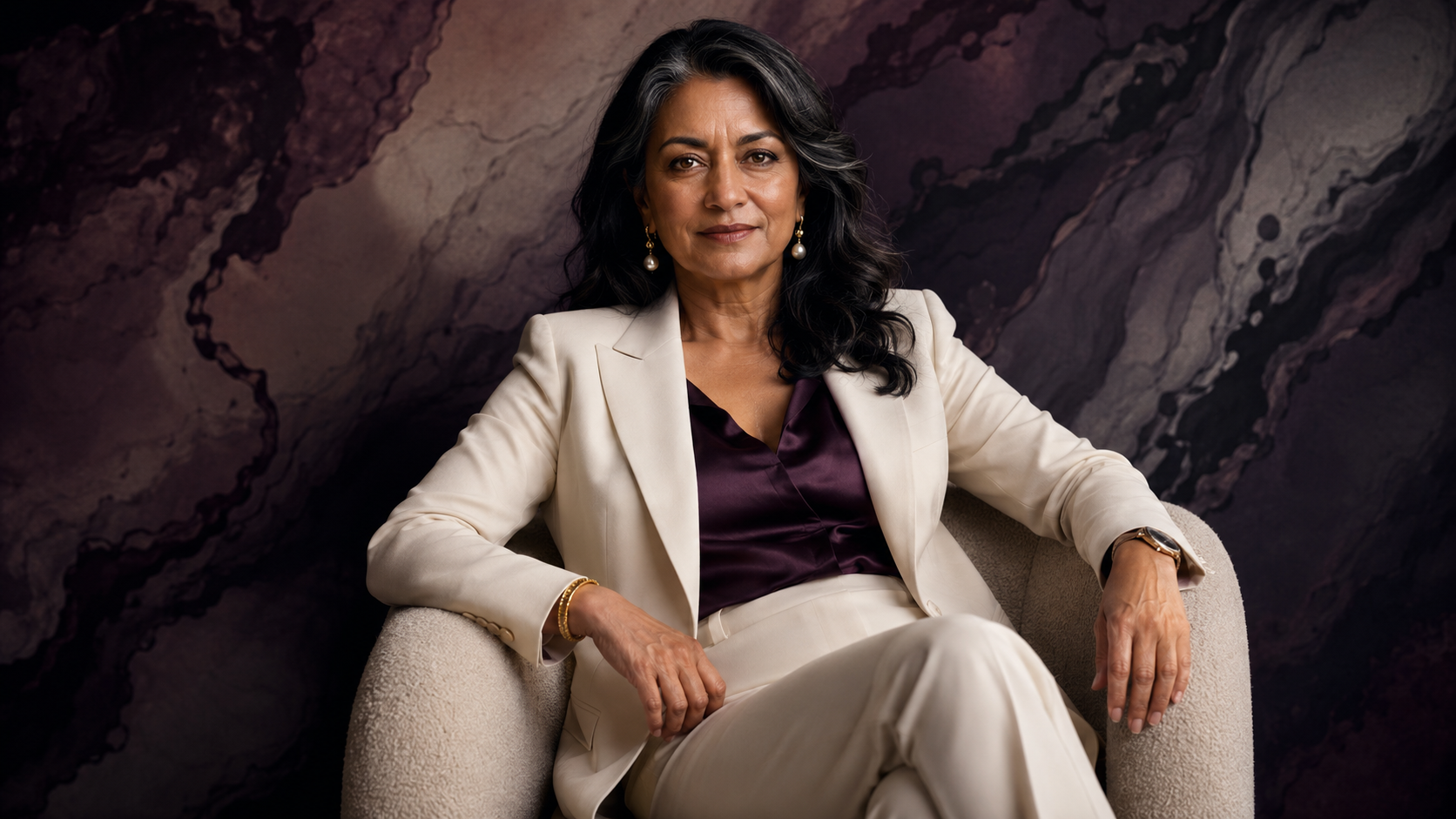
What Is the Main Difference Between AI and Traditional Headshots?
The main difference is how the image is created.
Traditional photography captures a real scene through a camera.
AI headshots create a new portrait using visual information from existing source images.
That distinction affects:
Scheduling
Creative flexibility
Documentary accuracy
Team logistics
Wardrobe options
Background options
Image volume
Quality-control needs
Traditional photography gives you direct control over a physical session.
AI headshots give you more flexibility after the source photos are collected.
Neither process eliminates the need for direction.
Which Option Looks More Realistic?
Traditional photography begins with a real photographic capture, so it offers the clearest path to documentary accuracy.
That does not mean every traditional headshot automatically looks natural. Harsh retouching, stiff posing, unflattering light, or poor expression can still make a real photograph feel artificial.
AI headshots can also look realistic when the process preserves:
Facial structure
Skin texture
Hair detail
Natural eyes
Familiar expression
Believable wardrobe
Consistent lighting
Accurate accessories
The problem appears when the AI image becomes polished at the expense of recognition.
A stronger jawline may look impressive. It is not useful if it belongs to someone else.
The best AI headshot should look like the person on a well-rested, well-lit, professionally styled day.
For examples of what breaks realism, read Why Cheap AI Headshots Look Fake.
Which Option Is More Convenient?
AI headshots usually create less scheduling friction.
The participant can take or submit source photos from home. There is no need to travel to a studio, coordinate a physical location, or place every team member on the same calendar.
That makes AI headshots useful for:
Remote workers
Distributed teams
Busy founders
Job seekers
Consultants
Speakers
Real estate professionals
People with transportation or mobility limitations
Traditional photography requires a specific time and place.
That structure can be valuable. Some people prefer having a photographer guide the entire process in person. Others find the studio experience stressful, difficult to schedule, or physically inaccessible.
Convenience is not only about speed.
It is also about whether the process fits the person’s actual life.
Which Option Is Faster?
AI headshots can reduce the time spent coordinating a session.
There is no studio booking, travel day, or team-wide schedule to manage. Once the source photos are submitted, the creation and curation process can begin remotely.
Traditional photography may require:
Finding the right photographer
Comparing availability
Booking a studio or location
Coordinating hair, makeup, or wardrobe
Traveling to the session
Waiting for proofs and retouching
Actual turnaround varies for both methods.
An automated AI tool may generate quickly but leave the client with hundreds of inconsistent images to review.
A curated AI service takes more time because someone is checking identity, realism, clothing, backgrounds, and final usability.
Fast generation is not the same as finished work.
Which Option Costs Less?
AI headshots can reduce costs tied to physical production.
A traditional session may include photographer time, studio rental, travel, equipment, hair and makeup, assistants, location fees, and retouching.
AI headshots remove some of those logistics.
The final cost still depends on:
Number of people
Number of final images
Level of human curation
Style complexity
Turnaround
Licensing or commercial use
Additional brand assets
Required crops and formats
A cheap automated generator and a human-curated AI portrait service are not the same product.
One sells access to software.
The other sells direction, quality control, and usable images.
Traditional photography also ranges widely. A basic profile session and a full editorial production should not be treated as equivalent.
Compare scope, not labels.
Which Option Gives You More Image Variety?
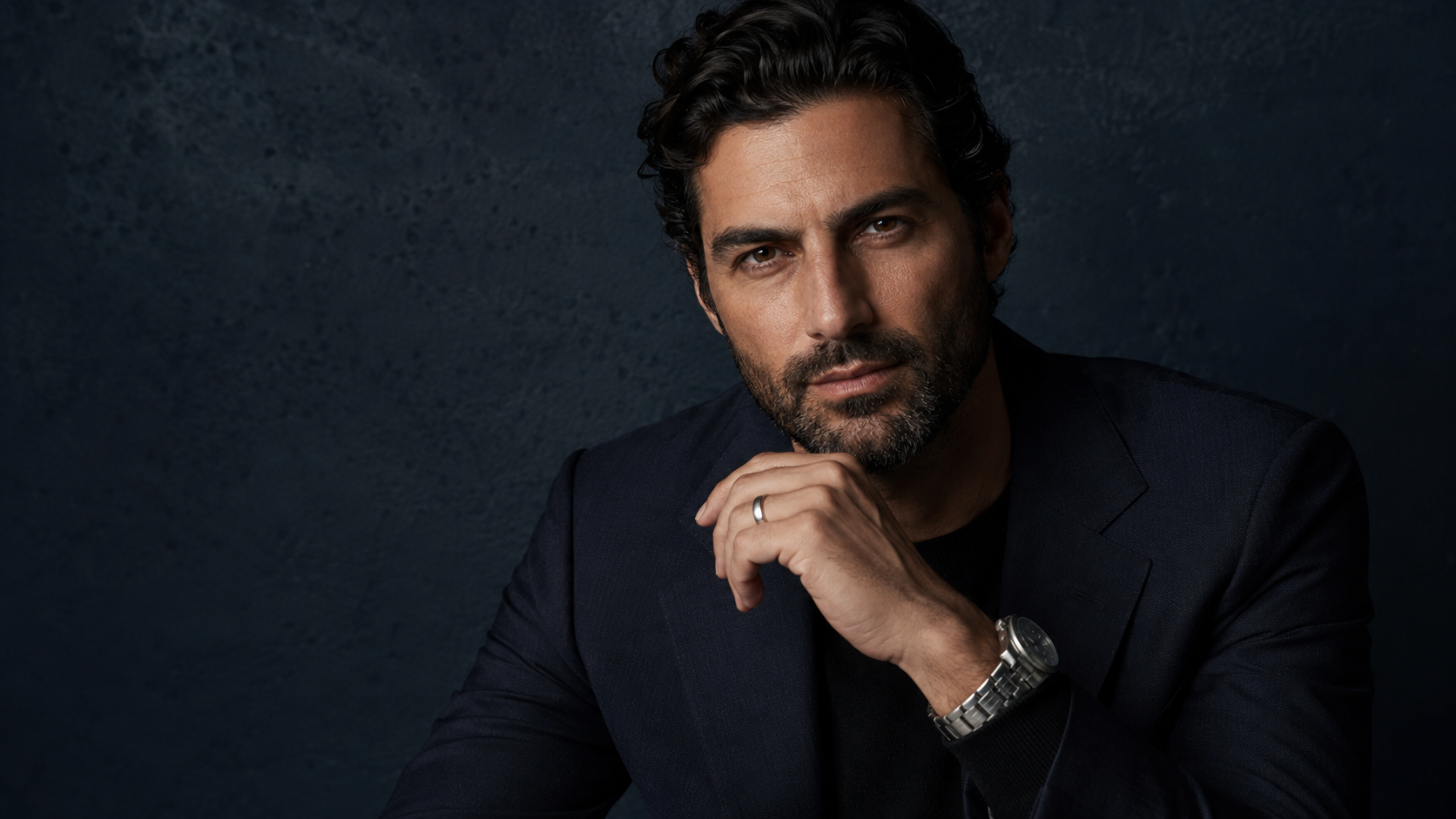
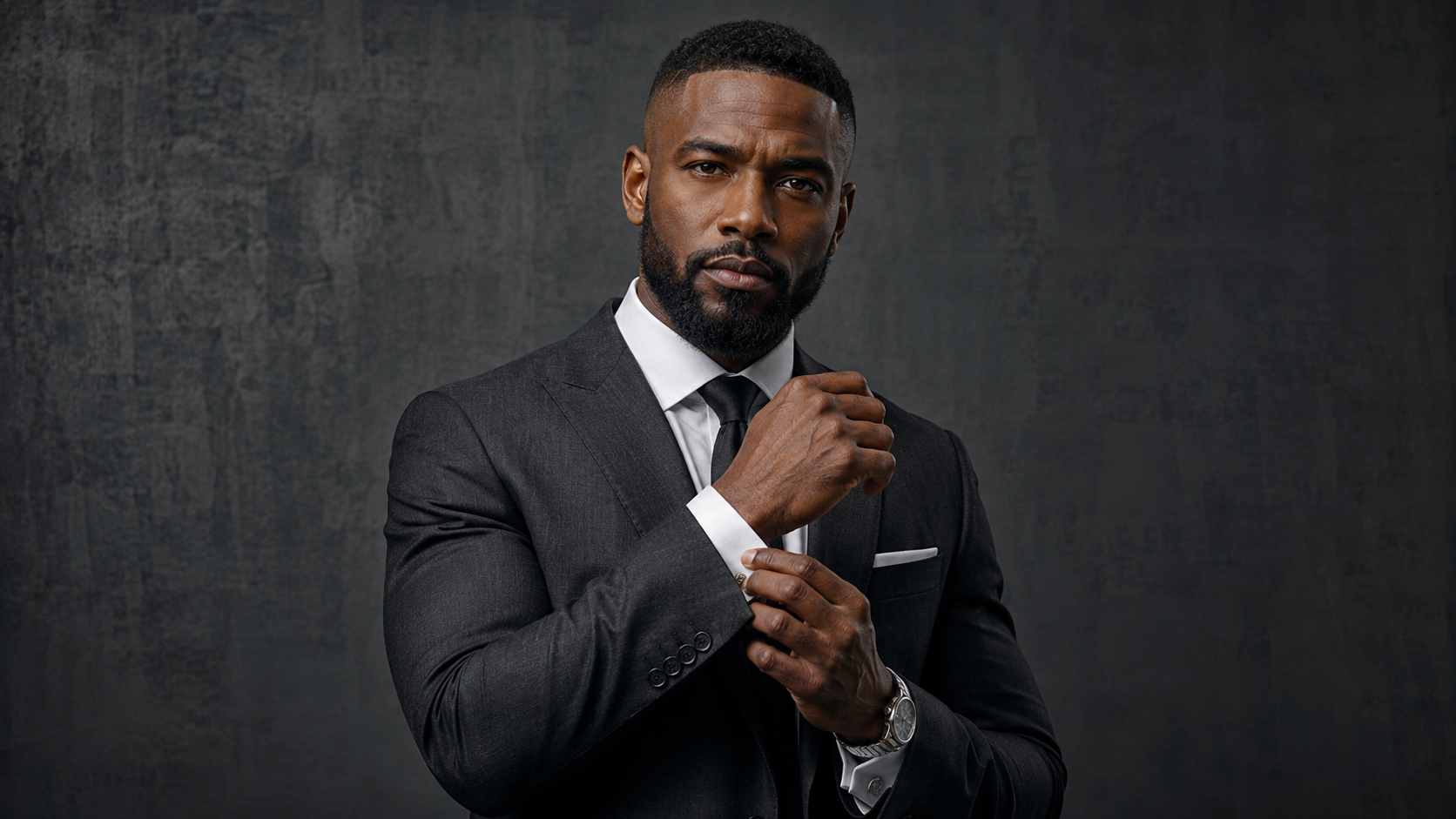
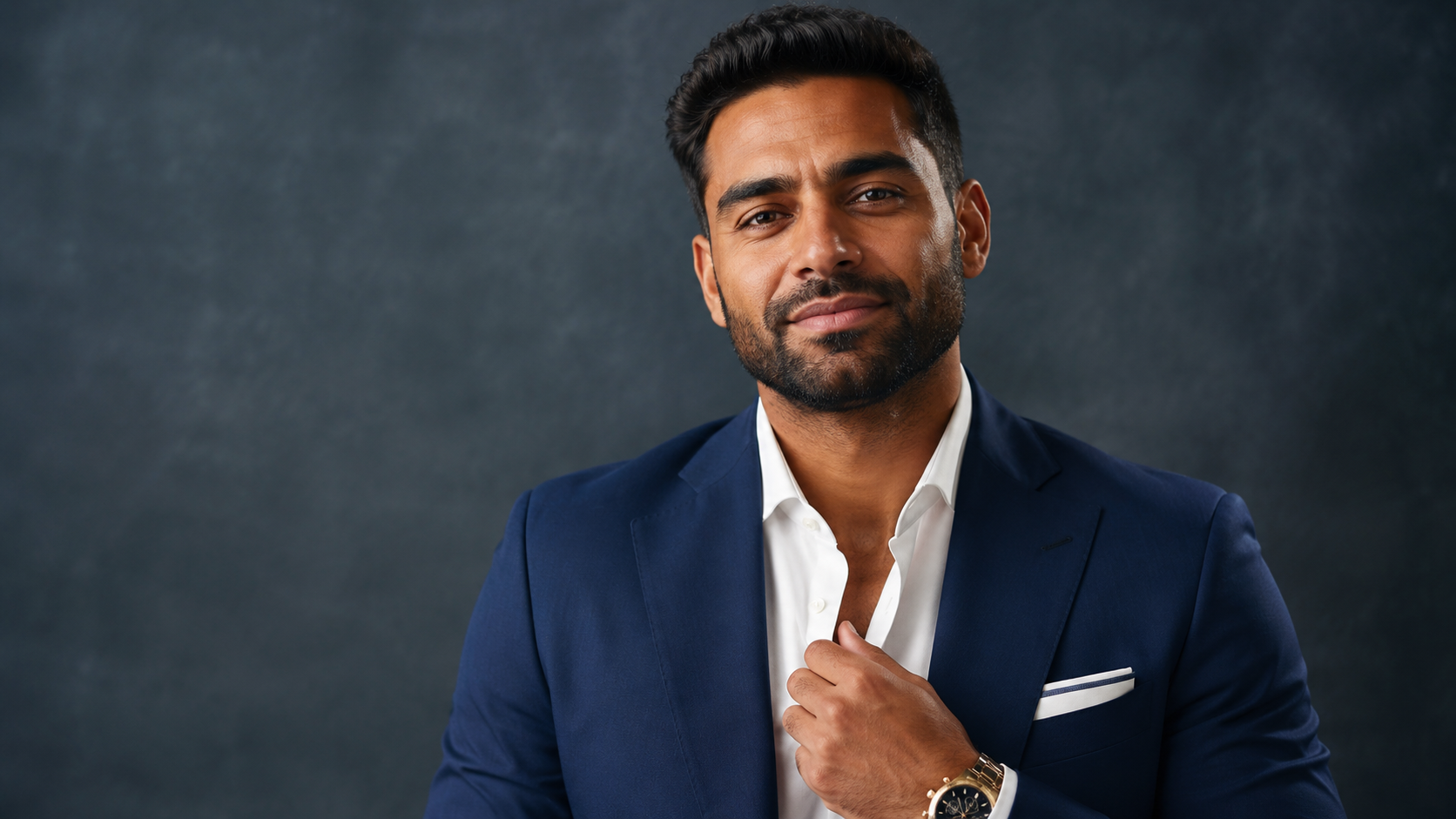
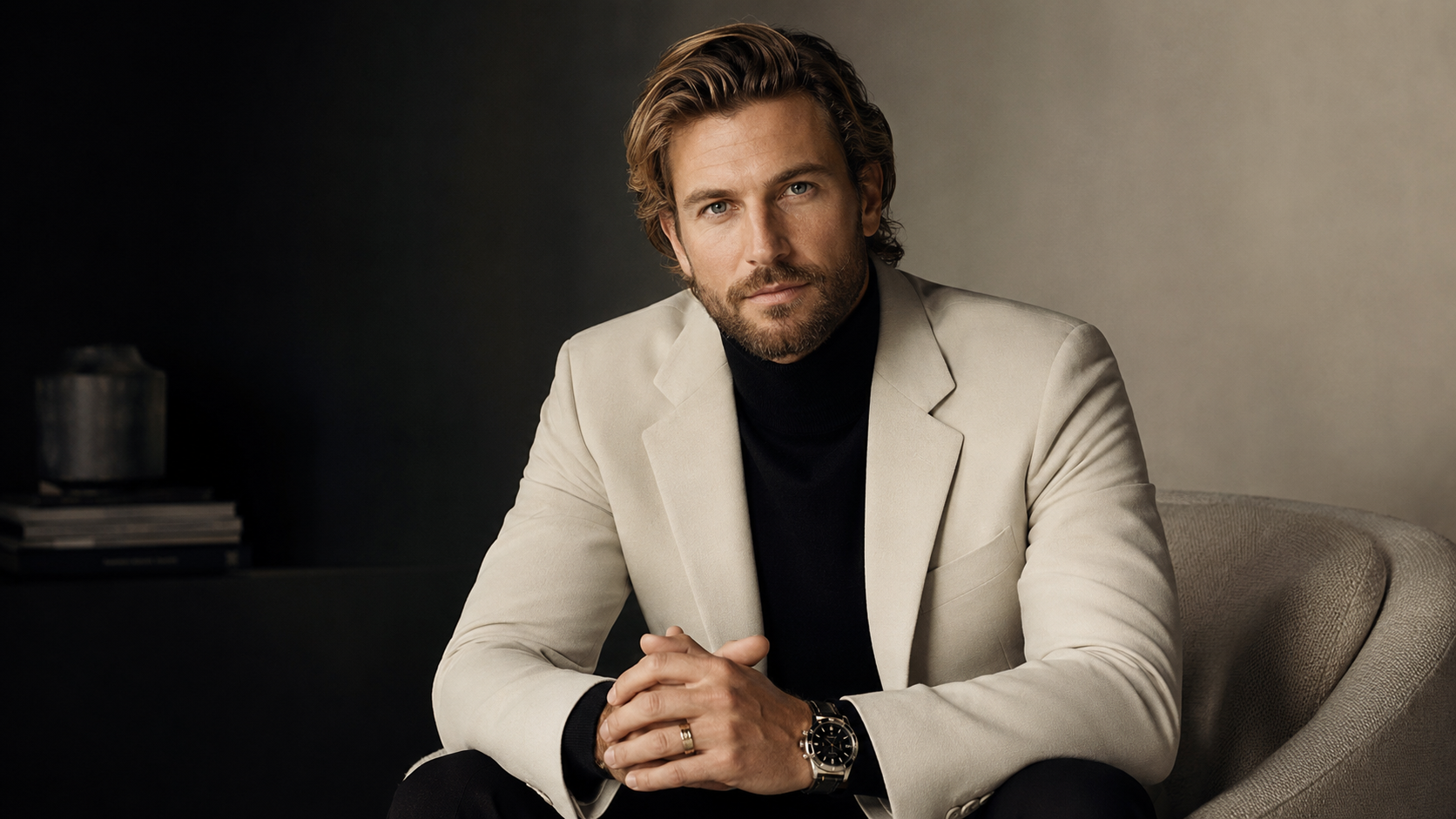
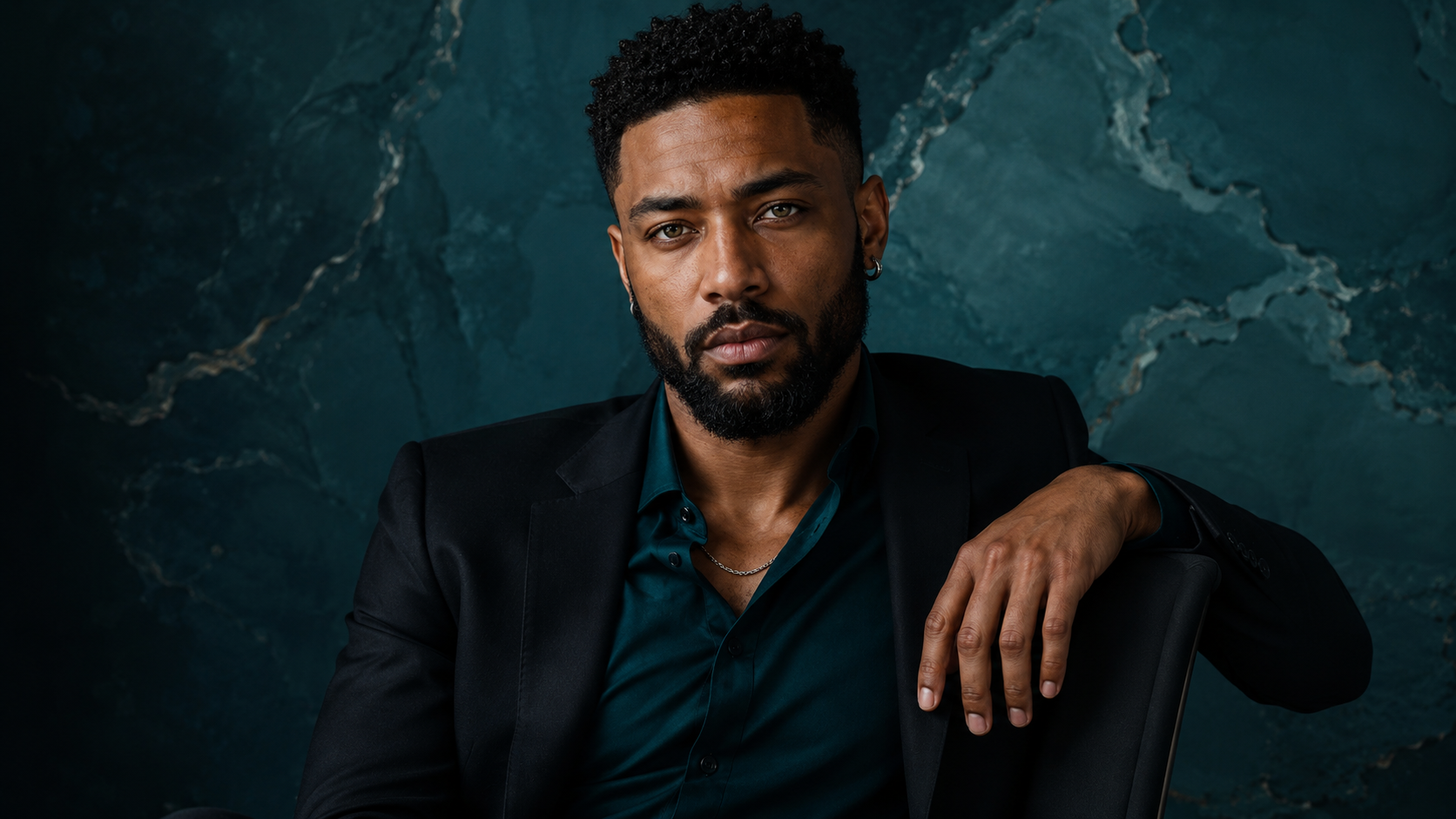
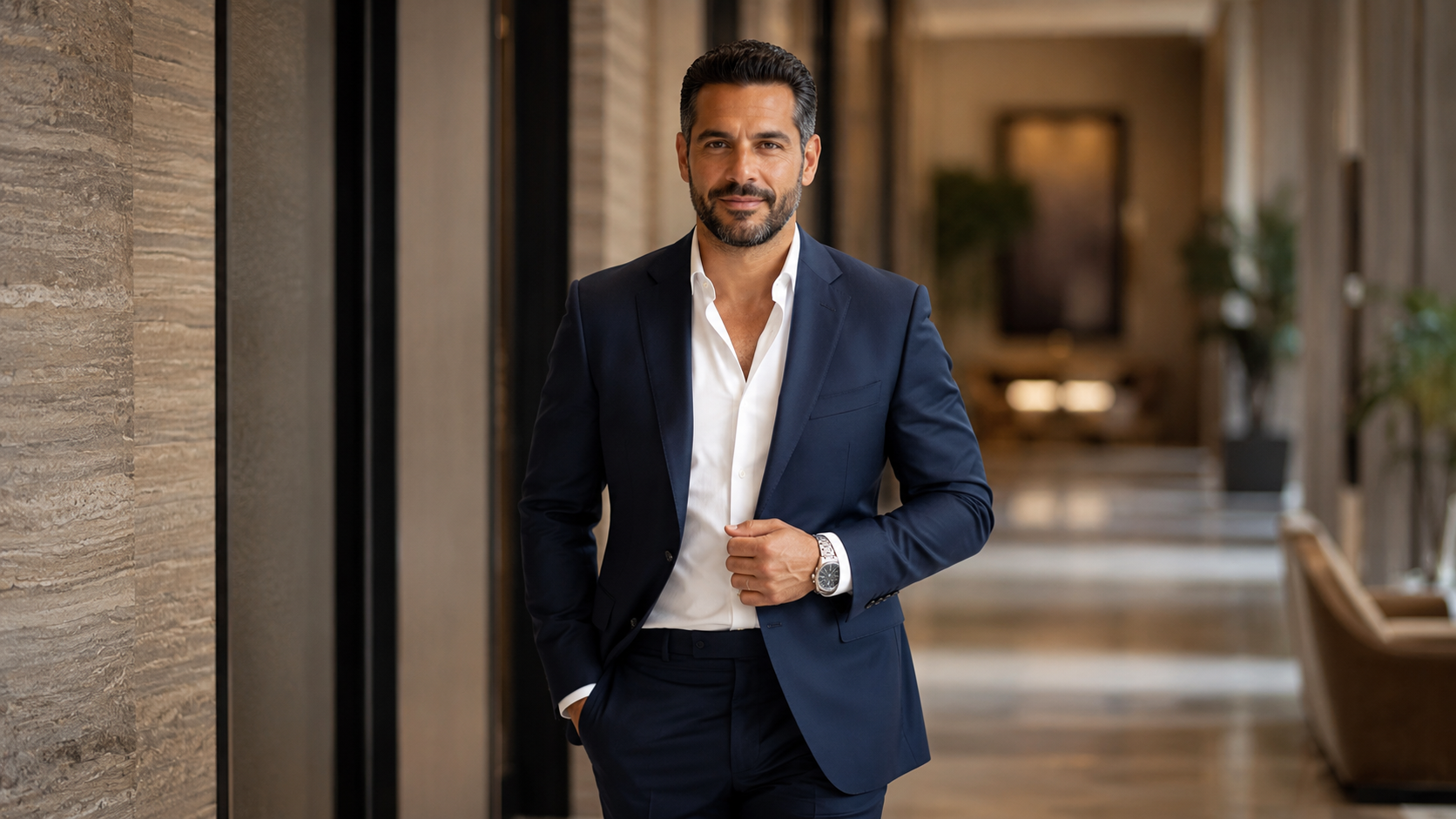
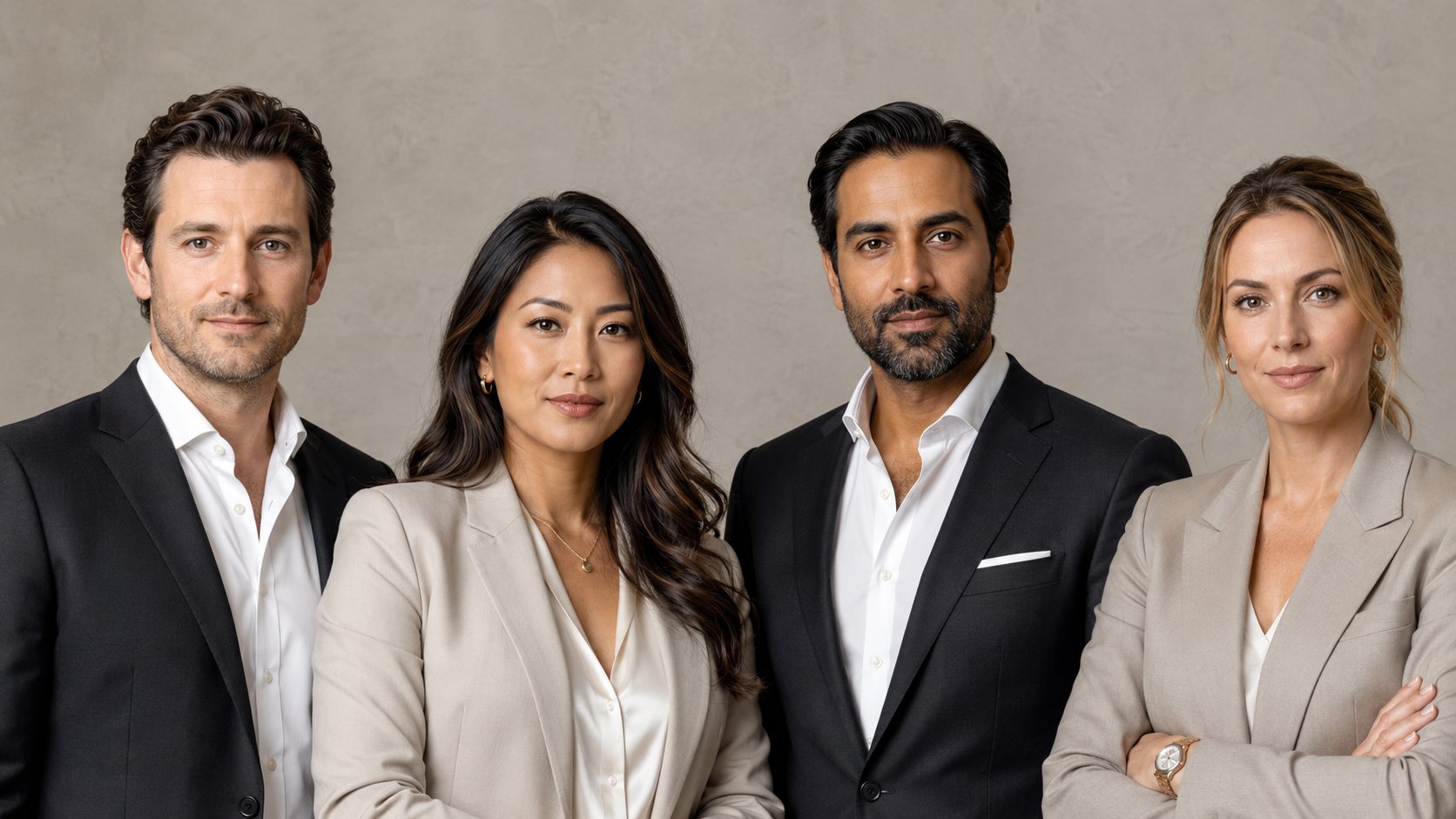
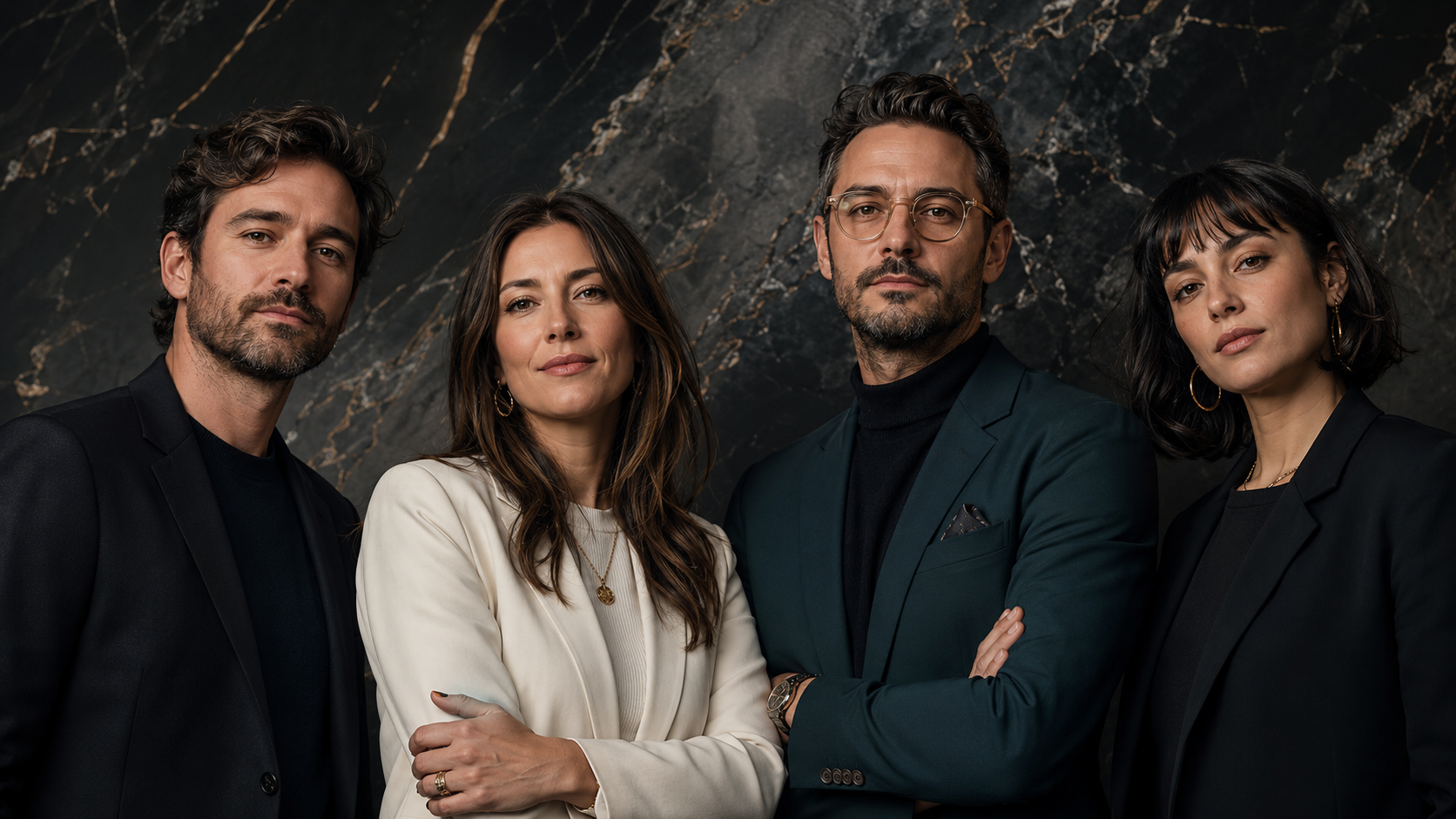
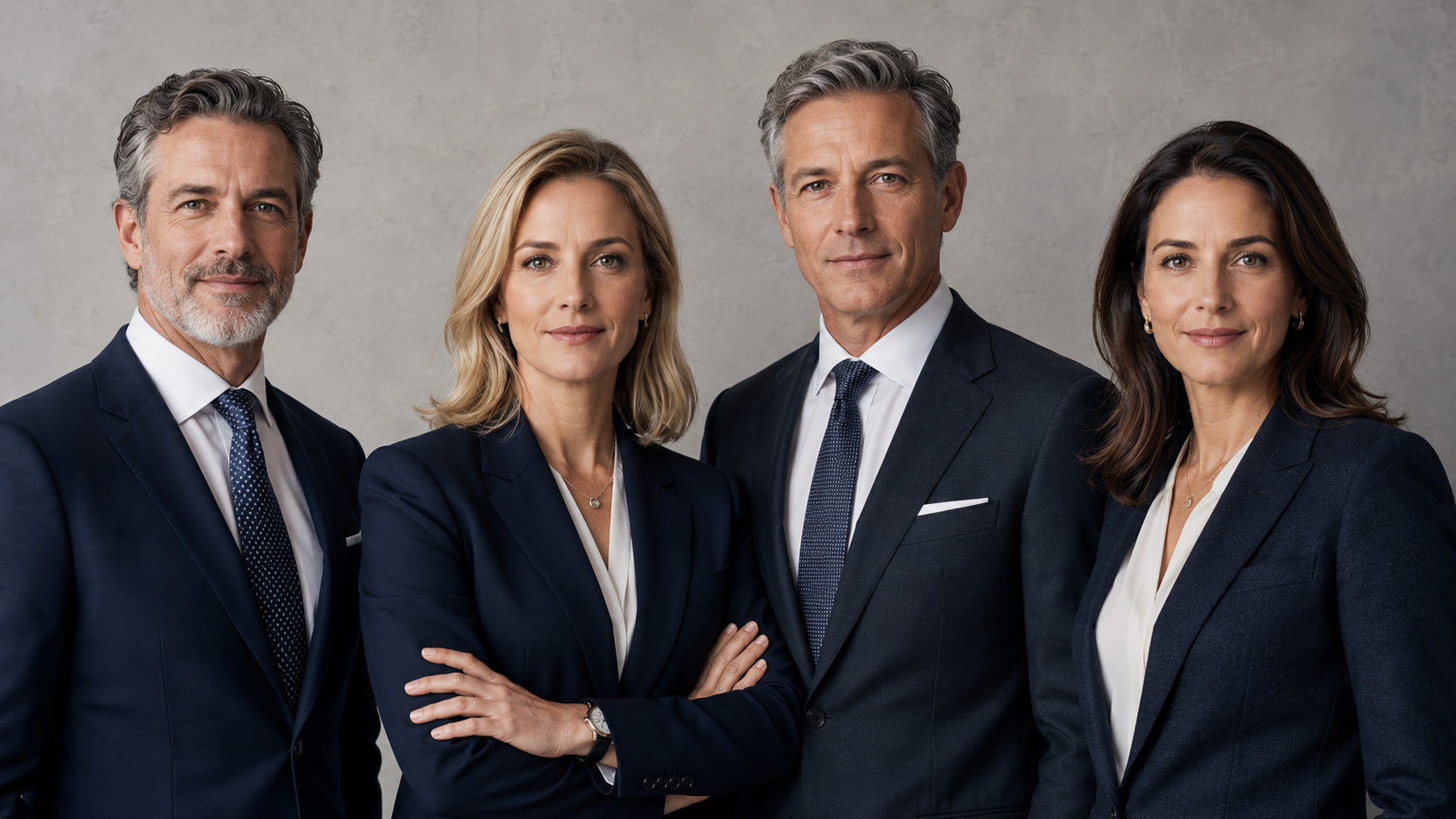
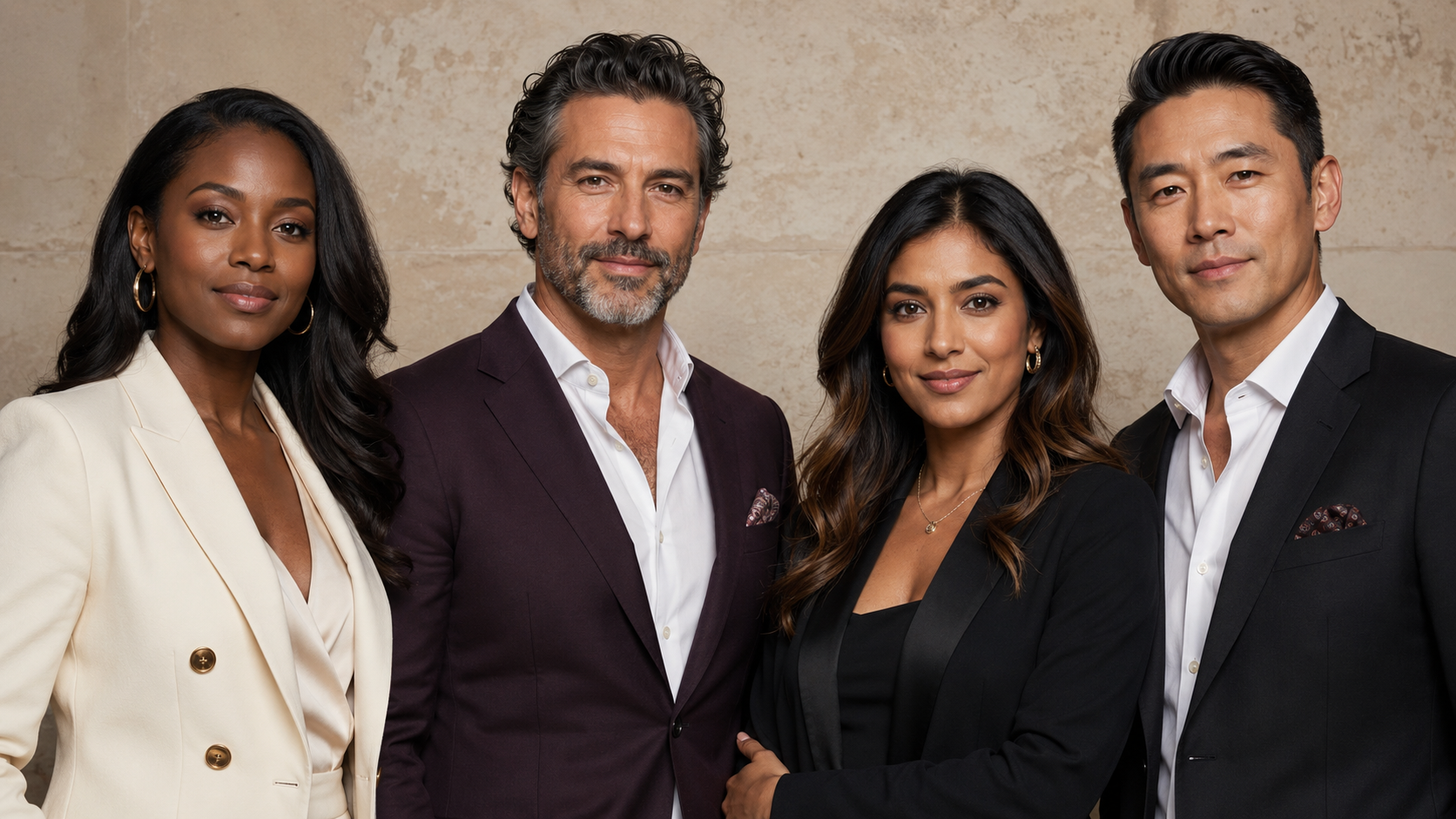
AI headshots can create more visual variety from one source-photo set.
A professional may request:
LinkedIn headshots
Founder authority portraits
Warm coach images
Speaker bio photos
Consultant portraits
Real estate profile photos
Creative director images
Website banner options
Social content portraits
Traditional photography can also create variety, but each change may require new clothing, lighting, backgrounds, locations, and physical setup during the session.
AI can explore more wardrobe and background directions without requiring the person to bring twelve blazers into a studio like a very well-dressed traveling salesperson.
That flexibility is useful for personal brands.
It needs boundaries.
Every style should still make sense for the person, role, and audience.
Which Option Is Better for LinkedIn?
Both can work well for LinkedIn.
Choose a traditional LinkedIn headshot when you want:
In-person posing help
A direct photographic capture
One polished profile image
A studio experience
Precise control over your real wardrobe
Choose an AI LinkedIn headshot when you want:
A remote process
Several professional options
A refreshed image without a studio session
Different crops or style directions
Images that coordinate with a larger personal brand system
The LinkedIn image should remain recognizable, current, and clear at a small size.
Read AI Headshots for LinkedIn for profile-photo preparation and cropping guidance.
Which Option Is Better for Founders and Personal Brands?
Founders often need more than one professional image.
A founder may appear across:
LinkedIn
Company website
Pitch deck
Media kit
Speaker page
Podcast guest profile
Newsletter
Launch graphics
Social content
Proposal documents
A traditional photo shoot can create a strong, cohesive library when the founder has the time, production budget, location, wardrobe, and creative team.
AI headshots can create a broader remote image system with several wardrobe and background directions.
The right choice depends on the brand.
A founder launching a physical product may need real images holding that product.
A consultant launching a new website may only need polished headshots and brand portraits.
A creative founder may use both.
For more role-specific guidance, read AI Headshots for Founders, Coaches, and Consultants.
Which Option Is Better for Remote Teams?
AI headshots are especially useful for remote and hybrid teams.
Traditional team photo days become complicated when employees live in different cities, work across time zones, or join the company after the original session.
A remote AI headshot system can standardize:
Background family
Crop
Lighting style
Wardrobe formality
Image dimensions
Delivery format
Each team member submits source photos from their own location. The final images are then curated into a consistent visual system.
Traditional photography remains a strong choice when the team can gather in one place or when the company needs real culture images showing employees working together.
AI solves the profile-photo consistency problem.
Traditional photography shows the actual team environment.
Read Remote Team Headshots for Small Businesses for the complete remote workflow.
Which Option Is Easier to Scale?
AI headshots are easier to scale when new people need to be added over time.
A company can establish a visual direction, then apply the same system to new hires without recreating a physical photo day.
That makes AI headshots useful for:
Growing startups
National sales teams
Real estate brokerages
Consulting firms
Remote companies
Speaker communities
Professional associations
Franchise organizations
Distributed leadership teams
Traditional photography can scale when the photographer travels, operates multiple locations, or creates a standardized setup for each office.
That can produce excellent results.
It also requires more physical coordination.
AI headshots reduce logistical weight. The system still needs human oversight to keep the results coherent.
Explore AI Headshots at Scale for Teams, Founders, and Professional Brands for more on scalable image systems.
Which Option Gives You Better Posing Direction?
Traditional photography provides live posing direction.
A skilled photographer can notice when:
Your shoulders are tense
Your chin is too high
Your expression feels forced
Your jacket is folding strangely
Your hair is covering your face
Your hands need a more natural position
The photographer can correct these details immediately.
AI headshots rely on the quality and variety of the source photos. The service may provide preparation instructions, expression guidance, wardrobe direction, and pose examples before submission.
AI can create a polished pose.
It cannot replace the experience of a photographer observing your body language in real time.
People who feel uncertain about posing may prefer a traditional session.
People who dislike being watched by a camera may feel more comfortable taking source photos privately at home.
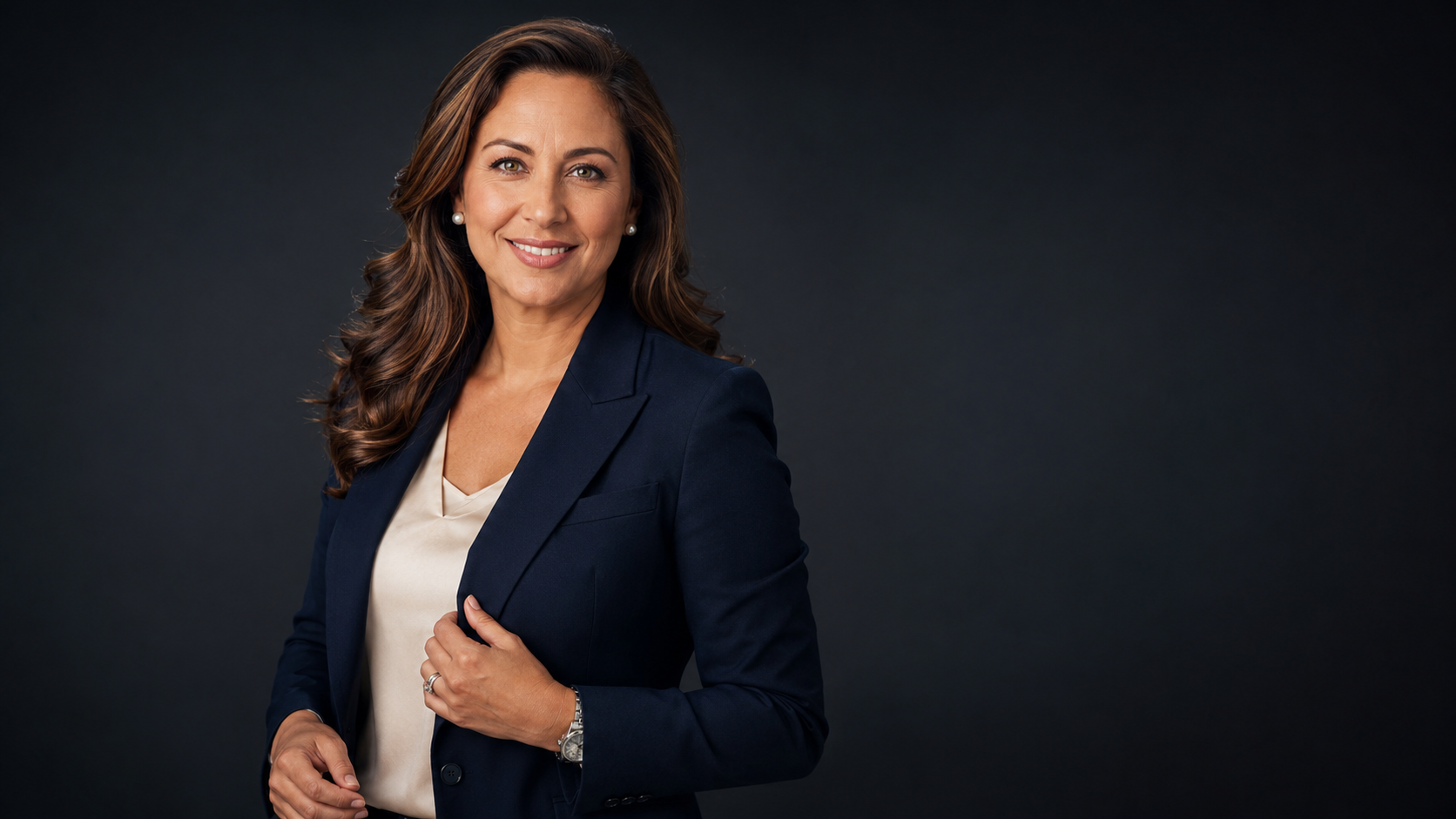
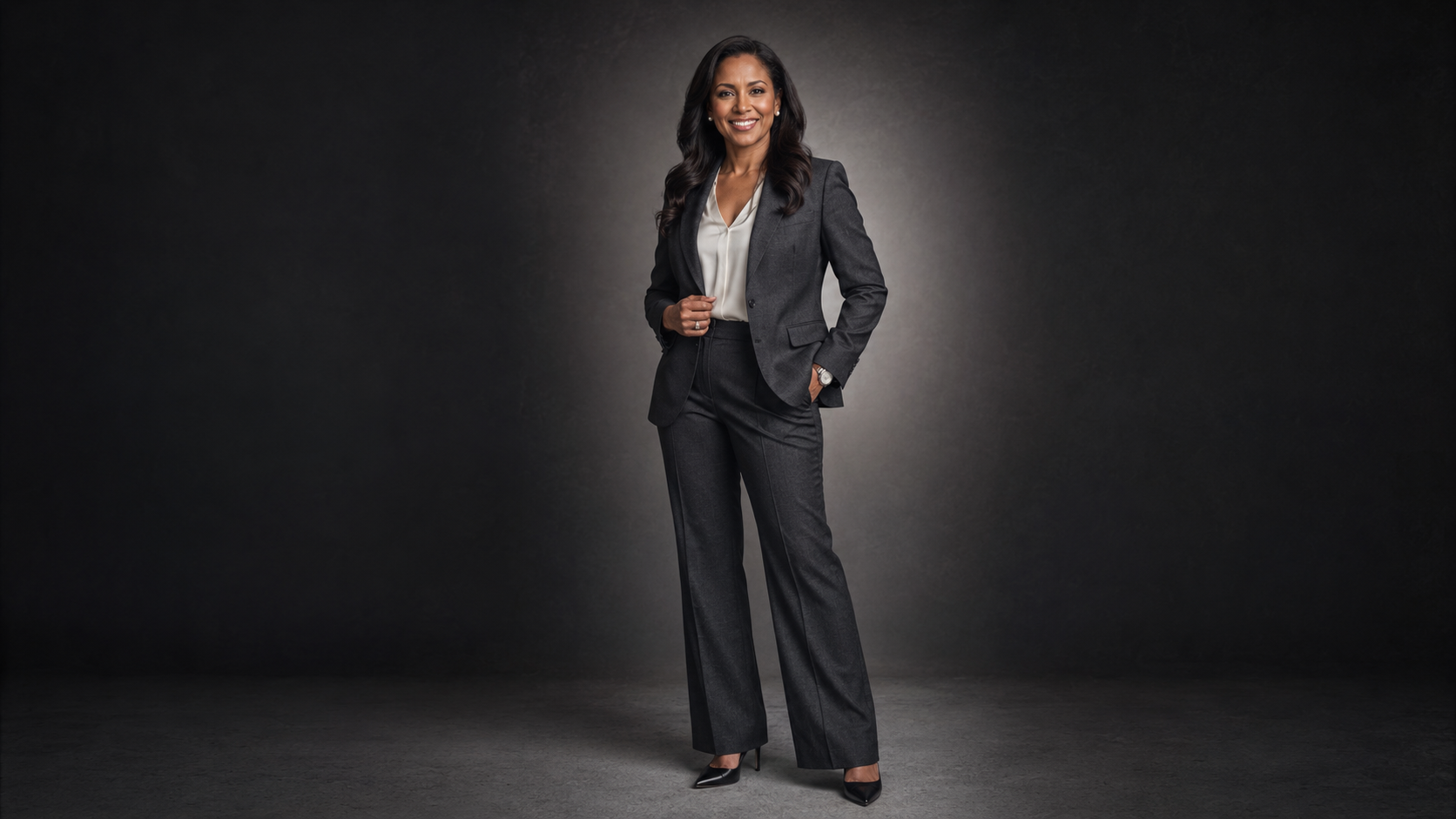
Which Option Is Better for Authentic Locations?
Traditional photography wins when the location matters.
Use traditional photography when you need to show:
Your actual office
A real property
A physical storefront
A product
A live event
Your team working together
A real neighborhood
A client interaction
A production process
AI can create an office-style or architectural background, but that background should not be presented as a real location connected to your business.
A generated luxury office may support the mood of a portrait.
It should not imply that you own the building, work there, or represent the property.
When the environment itself is evidence, photograph the real environment.
Which Option Is Better for Real Estate Professionals?
Real estate professionals often benefit from a hybrid image strategy.
AI headshots can support:
Brokerage profiles
LinkedIn
Email signatures
Listing presentations
Referral materials
Team pages
Social profiles
Traditional photography is better for:
Real properties
Neighborhood content
Client interactions
Open houses
Office culture
Listing videos
Lifestyle branding in actual locations
An agent’s headshot can be AI-assisted.
A property listing should show the real property.
Trust gets very fragile when generated scenery starts pretending to be inventory.
Read AI Headshots for Real Estate Agents for client-facing headshot guidance.
Which Option Gives You More Creative Control?
Both options provide creative control, but the control happens differently.
Creative Control in Traditional Photography
Traditional photography lets you control:
Real wardrobe
Physical lighting
Camera angle
Lens choice
Location
Props
Pose
Hair and makeup
Real environmental details
The result depends on what happens during the session.
Creative Control in AI Headshots
AI headshots let you explore:
Several wardrobe directions
Different background families
Multiple lighting styles
Professional role presets
Wider brand-image variety
Remote team consistency
Alternative crops
Different levels of formality
The result depends on source quality, prompt direction, generation quality, and curation.
Traditional control happens before and during capture.
AI control continues after the source photos are collected.
What Can Go Wrong With AI Headshots?
Common AI headshot problems include:
Identity drift
Plastic skin
Dead eyes
Unrealistic teeth
Warped glasses
Distorted jewelry
Broken collars
Strange lapels
Inconsistent hair
Background lighting that does not match the face
Hands or fingers that look incorrect
Generic corporate styling
These problems are why human curation matters.
A polished thumbnail can hide a lot of nonsense.
Every image should be reviewed at full size before professional use.
What Can Go Wrong With Traditional Headshots?
Traditional photography has its own failure points.
The final images may suffer from:
Stiff posing
Forced expression
Unflattering light
Poor wardrobe choices
Distracting backgrounds
Excessive retouching
Limited image variety
A rushed session
Mismatch between photographer style and client brand
Images that feel dated quickly
A real photograph can still miss the mark.
The camera does not automatically understand your positioning.
Direction matters in both processes.
Is Traditional Photography More Authentic?
Traditional photography documents a real moment.
That gives it a clear advantage when authenticity depends on the physical truth of the scene.
AI headshots can still feel authentic when they preserve the person’s identity and present them honestly.
Authenticity in a professional portrait is not limited to whether every pixel came from one camera exposure.
It also depends on whether the image accurately represents:
The person’s appearance
Their professional role
Their normal level of styling
The way they present themselves
The context in which the image is used
An AI headshot becomes misleading when it changes the person beyond recognition or invents business circumstances that are presented as real.
Do AI Headshots Replace Photographers?
No.
AI headshots do not replace:
Event photography
Documentary photography
Workplace culture images
Product photography
Property photography
Editorial production
Real environmental portraits
Live posing and direction
Human interactions captured in real time
AI expands the range of ways professional portraits can be created.
It is another method in the visual toolkit.
The better position is not AI versus photographers in some tiny digital cage match.
The better position is choosing the right production method for the image you need.
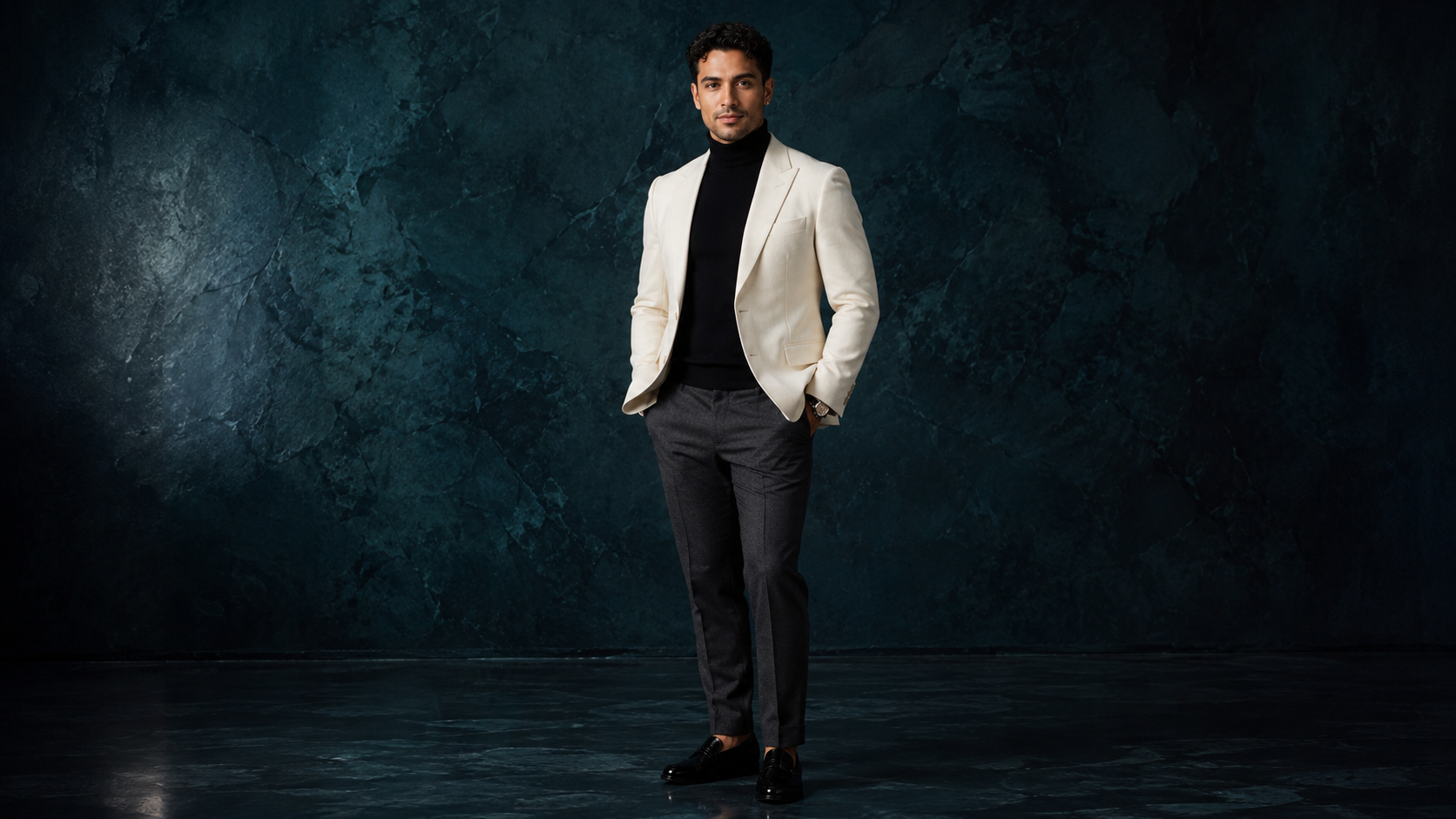
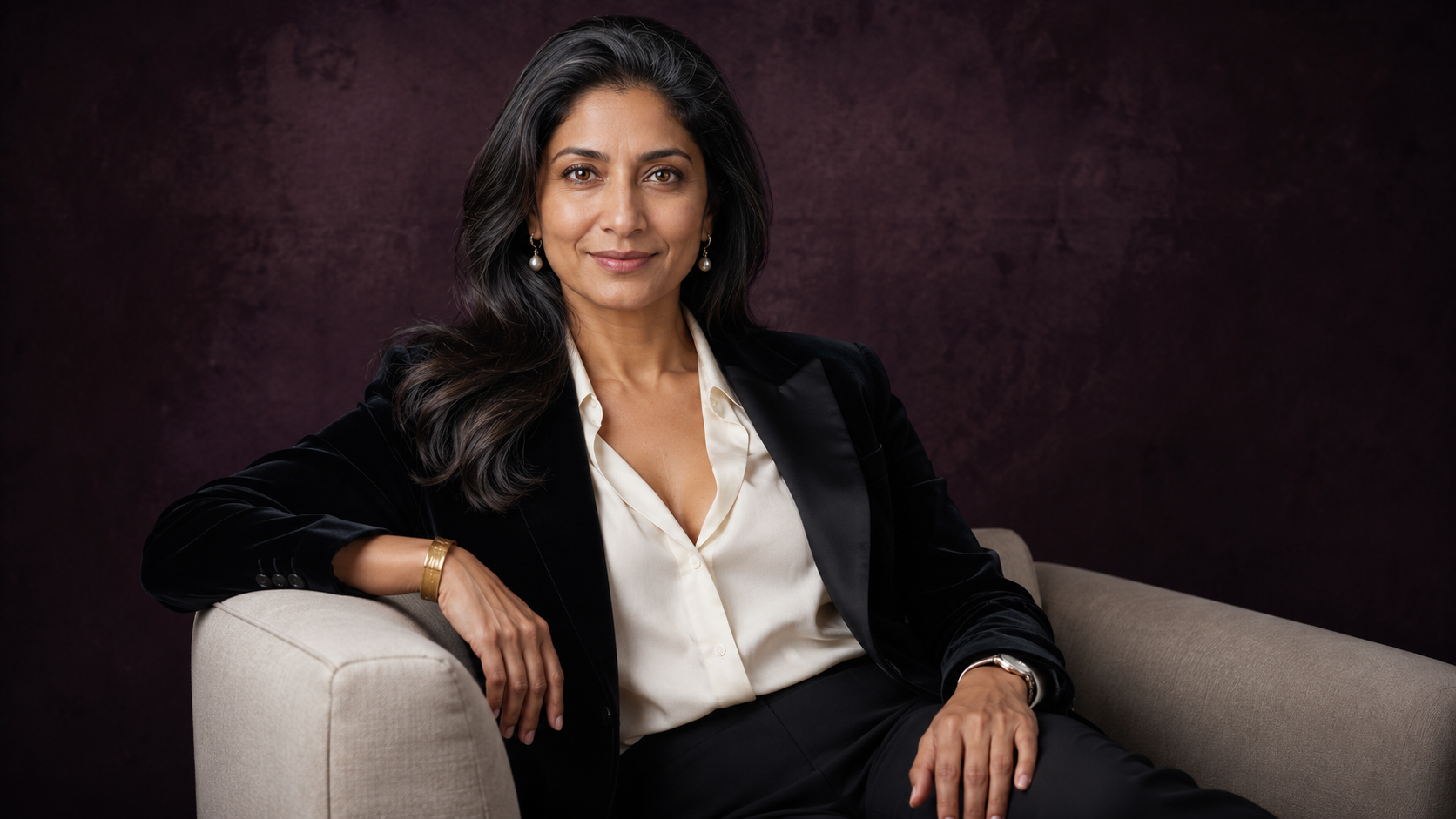
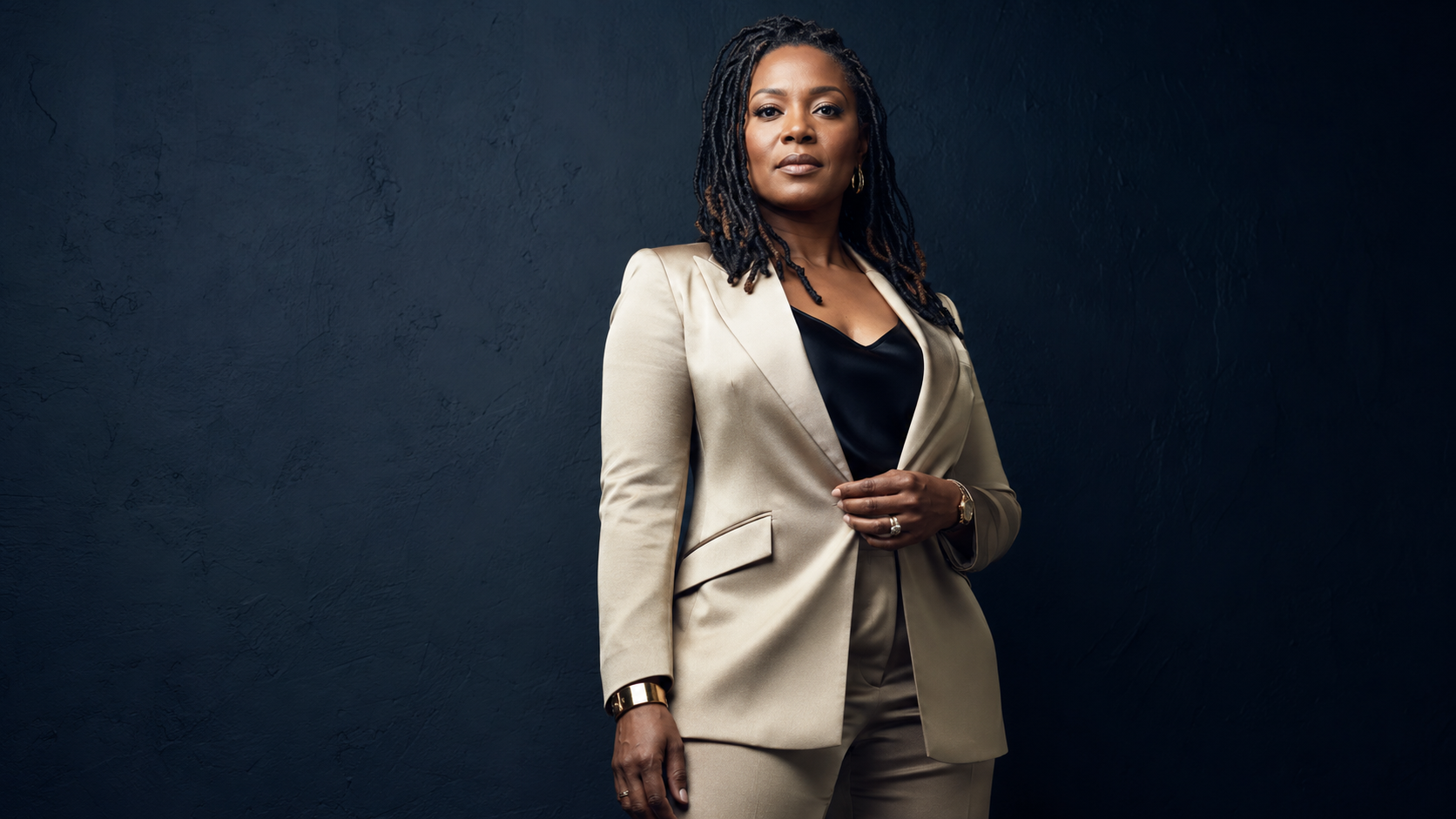
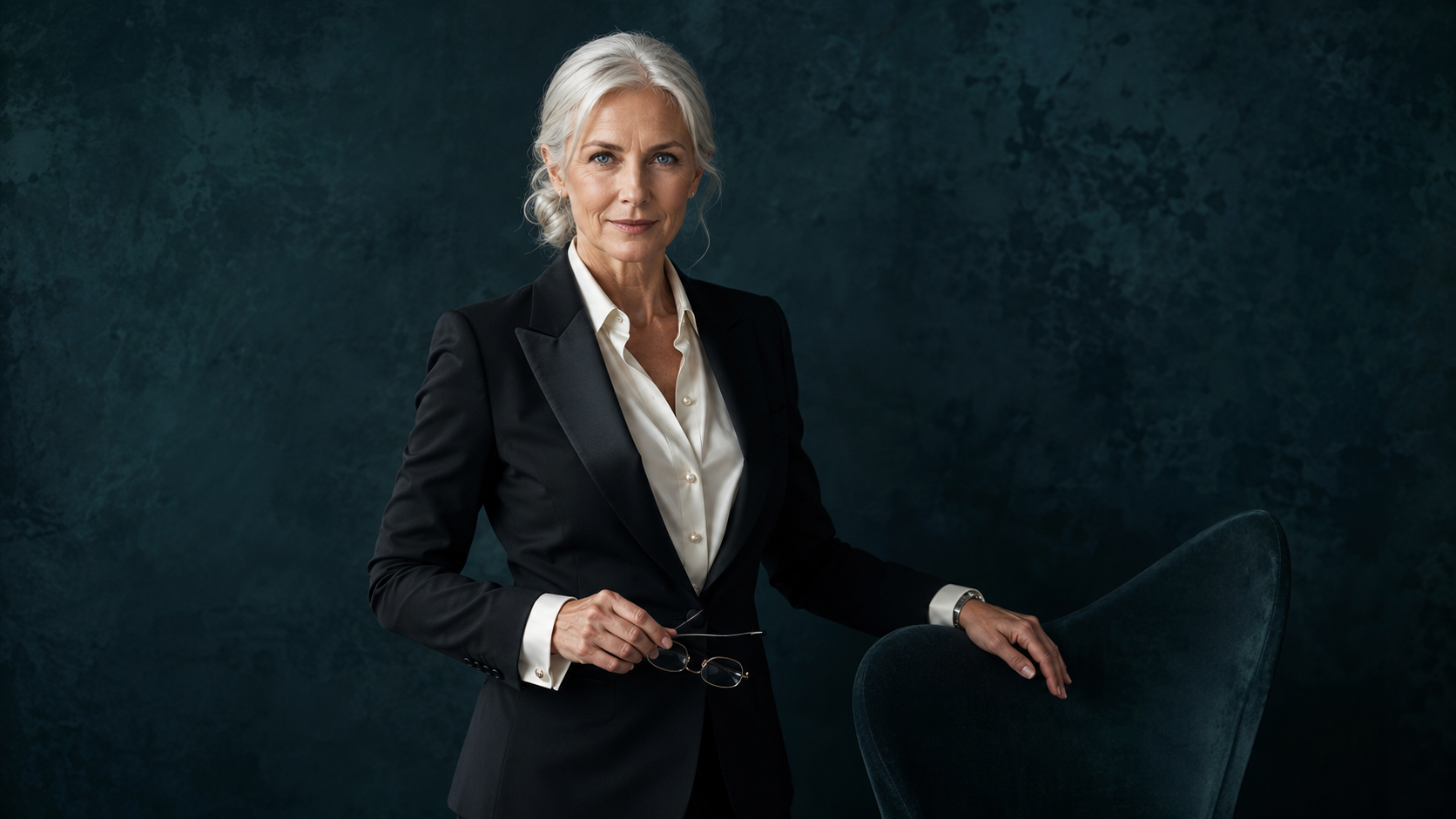
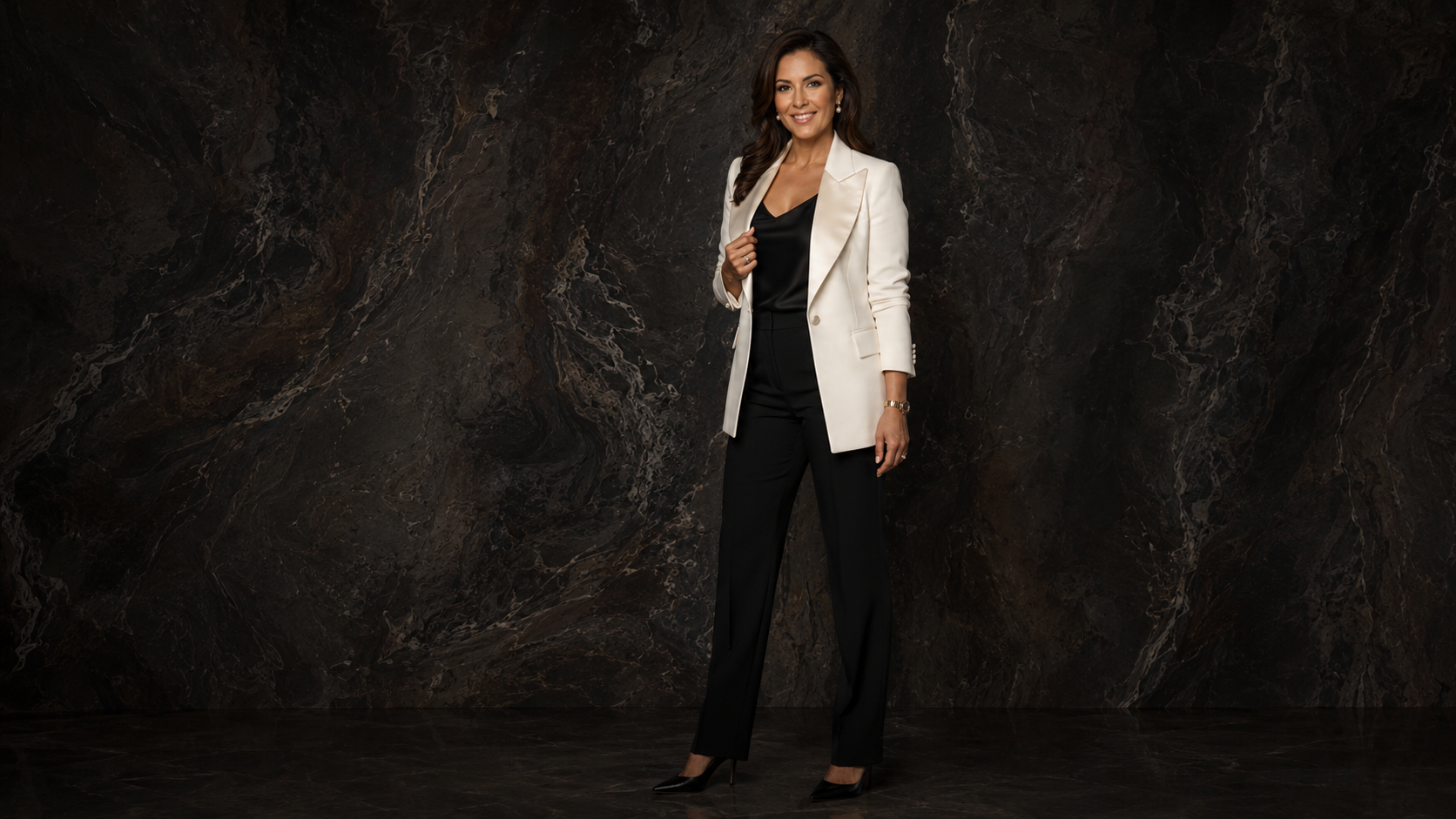
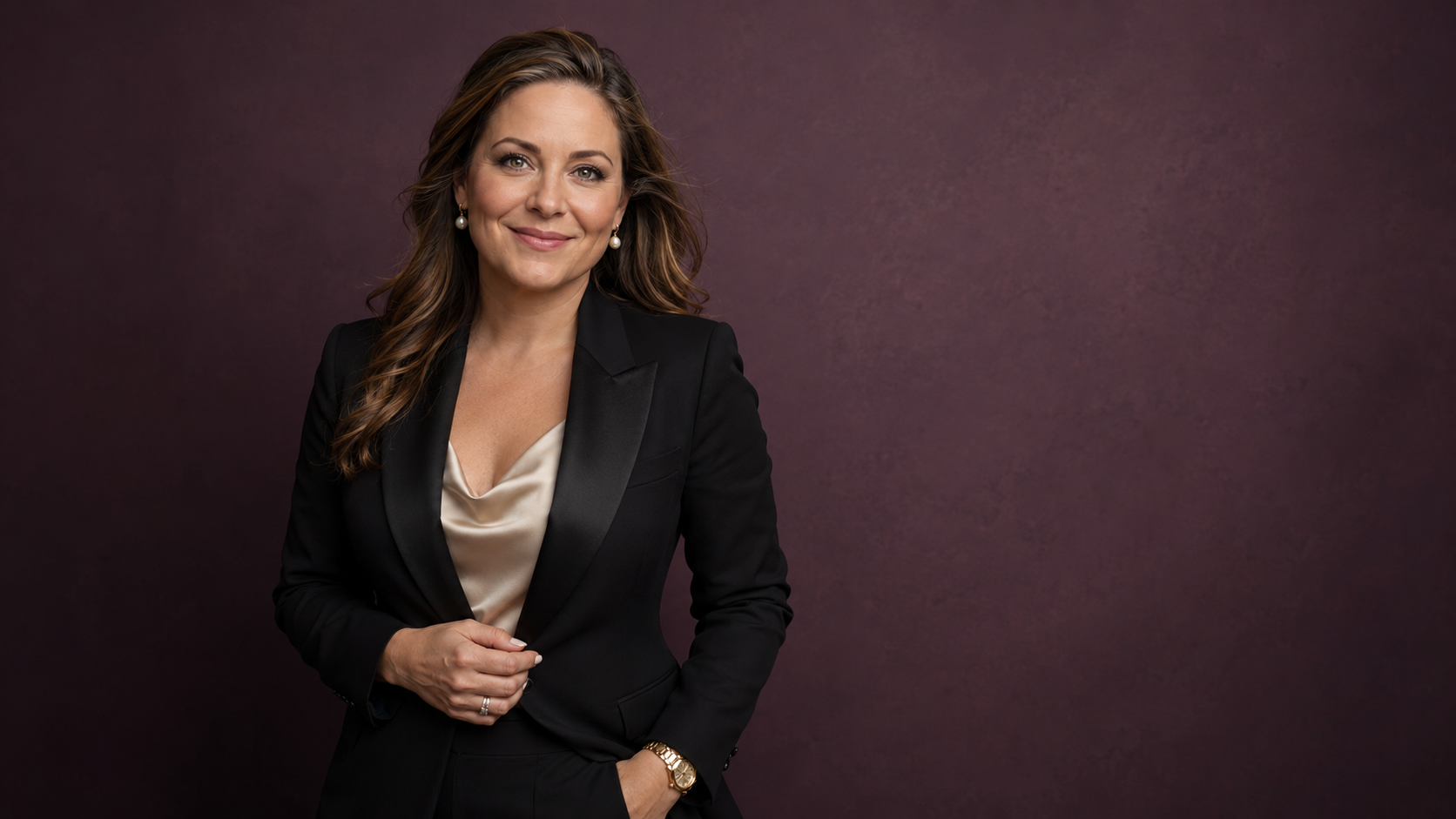
Can You Combine AI Headshots and Traditional Photography?
Yes. A hybrid strategy is often the strongest option.
You might use AI headshots for:
LinkedIn profiles
Remote team pages
Speaker bios
Proposal portraits
Social profile images
Personal brand variations
Then use traditional photography for:
Real office images
Team culture
Product launches
Events
Properties
Client interactions
Editorial campaigns
The two image types should share a visual language.
Wardrobe, color palette, editing style, background tone, and brand positioning can connect the full library.
What Should You Wear for Either Type of Headshot?
Both AI and traditional headshots benefit from intentional wardrobe.
Reliable choices include:
Solid colors
Tailored layers
Simple necklines
Clean collars
Minimal logos
Restrained accessories
Clothing that matches your real professional role
AI workflows need source photos that clearly show your current appearance and body proportions.
Traditional sessions need clothing that behaves well under the actual lighting and camera setup.
For detailed wardrobe guidance, read What to Wear for AI Headshots.
How to Choose Between AI and Traditional Headshots
Choose based on the image’s purpose.
Ask:
Do I need a real location?
Do I need exact documentary capture?
Do I want live posing direction?
Do I need several professional styles?
Does my team work remotely?
How quickly do the images need to be ready?
Do I need one image or a full brand library?
Will new team members need matching images later?
Does the image involve a real product, property, or interaction?
Am I comfortable submitting source photos for AI-assisted creation?
Do I need the final image for professional branding or official identification?
Which process fits my budget, access needs, and schedule?
Your answers will usually make the decision clear.
When AI Headshots Are the Better Fit
AI headshots are a strong choice when:
The process needs to be remote
Your team is distributed
You need multiple professional image options
Scheduling a studio is difficult
You need consistent team-page photos
Your existing images are outdated
You need LinkedIn, website, and speaker images
New hires will need to be added later
You want broader brand-photo variety
Accessibility or transportation makes a studio session difficult
AI is especially useful when the problem is logistics, consistency, or image variety.
When Traditional Headshots Are the Better Fit
Traditional photography is the stronger choice when:
You want live posing and expression coaching
The physical location matters
You need an exact photographic record
Your team can gather in one place
You need workplace culture images
You are photographing real products or properties
You need a full editorial campaign
The experience of being photographed is important to you
You want a photographer to make decisions in real time
Traditional photography is especially useful when the moment, place, or physical interaction is part of the story.
When AI Headshots Should Not Be Used
AI headshots should not be used for:
Passports
Government identification
Legal identification
Medical records
Official licenses
Compliance photographs
Background-check documentation
Any process requiring an exact documentary photograph
Professional branding allows creative interpretation.
Official identity does not.
Use a real photograph when accuracy is a legal or procedural requirement.
How Booths by Christy Approaches AI Headshots
Booths by Christy creates human-curated AI headshots for founders, professionals, teams, job seekers, coaches, consultants, real estate agents, speakers, creators, and professional brands.
The process begins with the use case.
A remote team needs consistency.
A founder may need a broader image library.
A job seeker needs a recognizable LinkedIn profile photo.
A speaker may need an image that works across conference pages, podcasts, and media materials.
The process can include:
Defining where the images will be used
Selecting a professional style direction
Preparing source photos
Choosing wardrobe and background guidance
Creating AI-assisted portrait options
Reviewing identity and realism
Removing distorted or unfamiliar images
Delivering polished professional selections
The final gallery is designed to be used.
Not admired for five minutes and abandoned in a downloads folder.
Final Takeaway: Choose the Process That Fits the Image
AI headshots and traditional headshots are not interchangeable.
AI headshots offer remote access, creative variety, and a scalable way to build consistent professional image systems.
Traditional photography offers documentary accuracy, live direction, and the ability to capture real people inside real environments.
Choose AI when the challenge is logistics, consistency, or image variety.
Choose traditional photography when the real place, moment, product, or interaction matters.
Use both when your brand needs a complete visual library.
The image does not care how loudly the internet argues about the tool.
It needs to do its job.
Ready to Explore AI Headshots?
Booths by Christy creates AI Headshots at Scale for professionals, founders, teams, coaches, consultants, real estate agents, speakers, creators, and personal brands.
Use them for LinkedIn, websites, team pages, speaker bios, proposals, media kits, launches, and client-facing profiles.
FAQ: AI Headshots vs. Traditional Headshots
Are AI headshots cheaper than traditional headshots?
AI headshots may reduce costs related to studio rental, travel, location production, and coordinating multiple participants. Pricing still depends on the number of people, final images, style complexity, turnaround, and level of human curation.
Do AI headshots look as professional as traditional headshots?
They can. Professional AI headshots require strong source photos, realistic direction, identity preservation, and human quality control. Traditional headshots also depend on lighting, posing, expression, retouching, and the photographer’s skill.
Are traditional headshots more accurate?
Traditional headshots capture a real person during a real photography session, making them the better choice for documentary accuracy. AI headshots may introduce identity drift or generated details and should be reviewed closely.
Which type of headshot is better for LinkedIn?
Both can work. Traditional photography is useful when you want an in-person session and direct photographic capture. AI headshots are useful when you need a remote process, several professional options, or matching images for a distributed team.
Are AI headshots better for remote teams?
AI headshots can be easier to coordinate for remote teams because participants can submit source photos from different locations while following the same visual direction.
Do AI headshots replace professional photographers?
No. AI headshots do not replace event, product, property, editorial, workplace, or documentary photography. They provide another way to create professional portrait assets.
Can I use both AI and traditional photography?
Yes. Many brands can use AI headshots for profiles and team pages while using traditional photography for real locations, events, products, properties, and culture images.
Can AI headshots be used for official identification?
No. AI headshots should not be used for passports, government identification, legal documents, medical records, official licenses, or any process requiring an exact documentary photograph.